
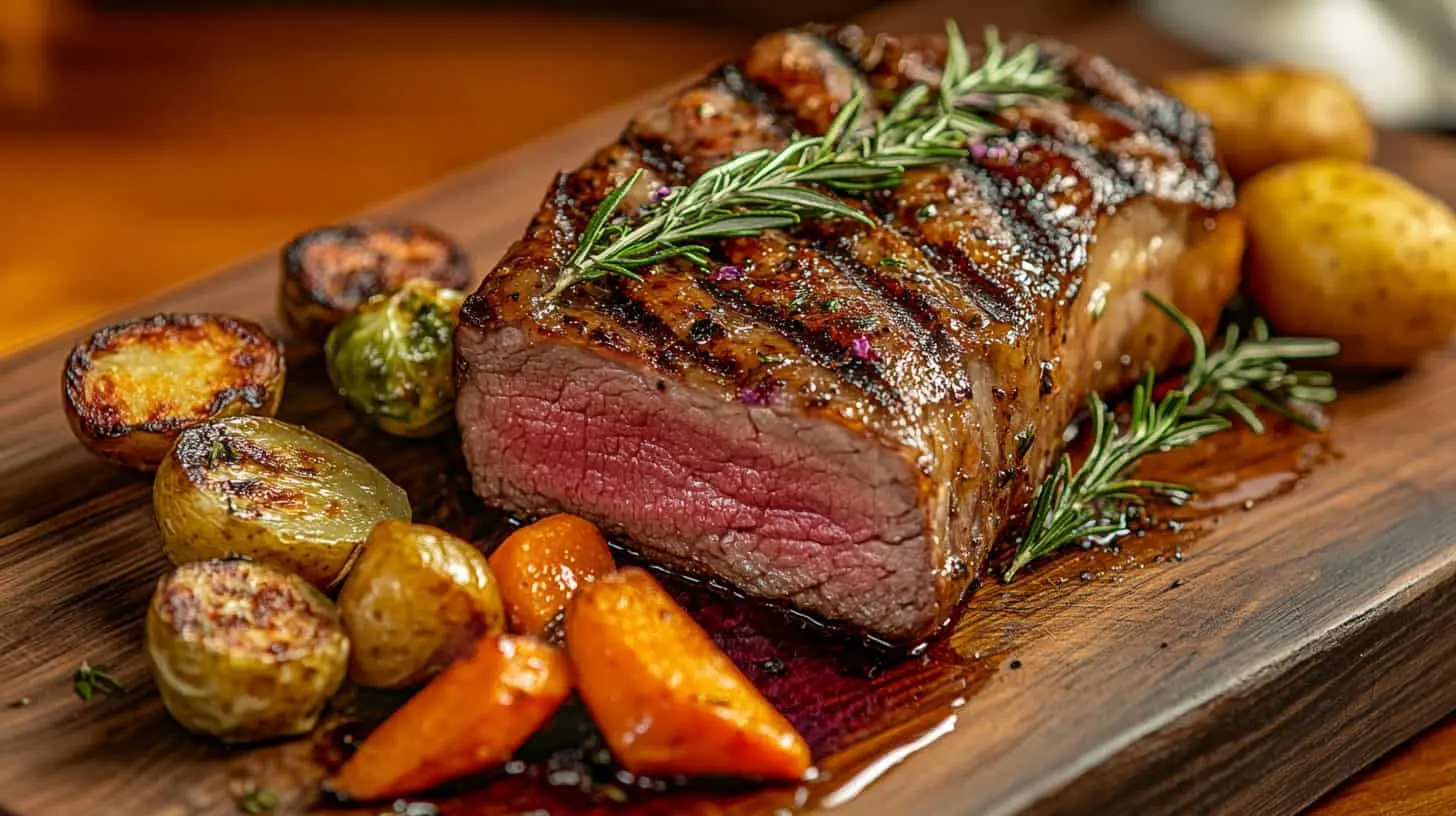
This ribeye roast recipe gives you everything you need for a perfectly cooked roast every time, including an exact cooking time chart, internal temperature guide, and a simple foolproof method. Whether you’re using a bone-in or boneless cut, you’ll get tender, juicy results with clear, step-by-step instructions.
If cooking a ribeye roast feels a little intimidating, you’re not alone. It’s an expensive cut, and nobody wants to ruin it. That’s why this guide breaks everything down clearly, from choosing the right roast to cooking it to the perfect doneness without guesswork.
Whether you’re making it for a holiday gathering or just want a meal that feels extra special, this ribeye roast recipe will help you serve a roast with a flavorful crust, a juicy center, and confident results every time.
Table of Contents
Why Go with a Ribeye Roast?
Alright, cards on the table, if you’ve ever stood at the butcher counter squinting at cuts of beef, not totally sure which one’s the “right” choice… you’re not alone. But if you’re looking for something with bold flavor, easy prep, and enough wow factor to anchor a whole meal, ribeye roast checks all the boxes.
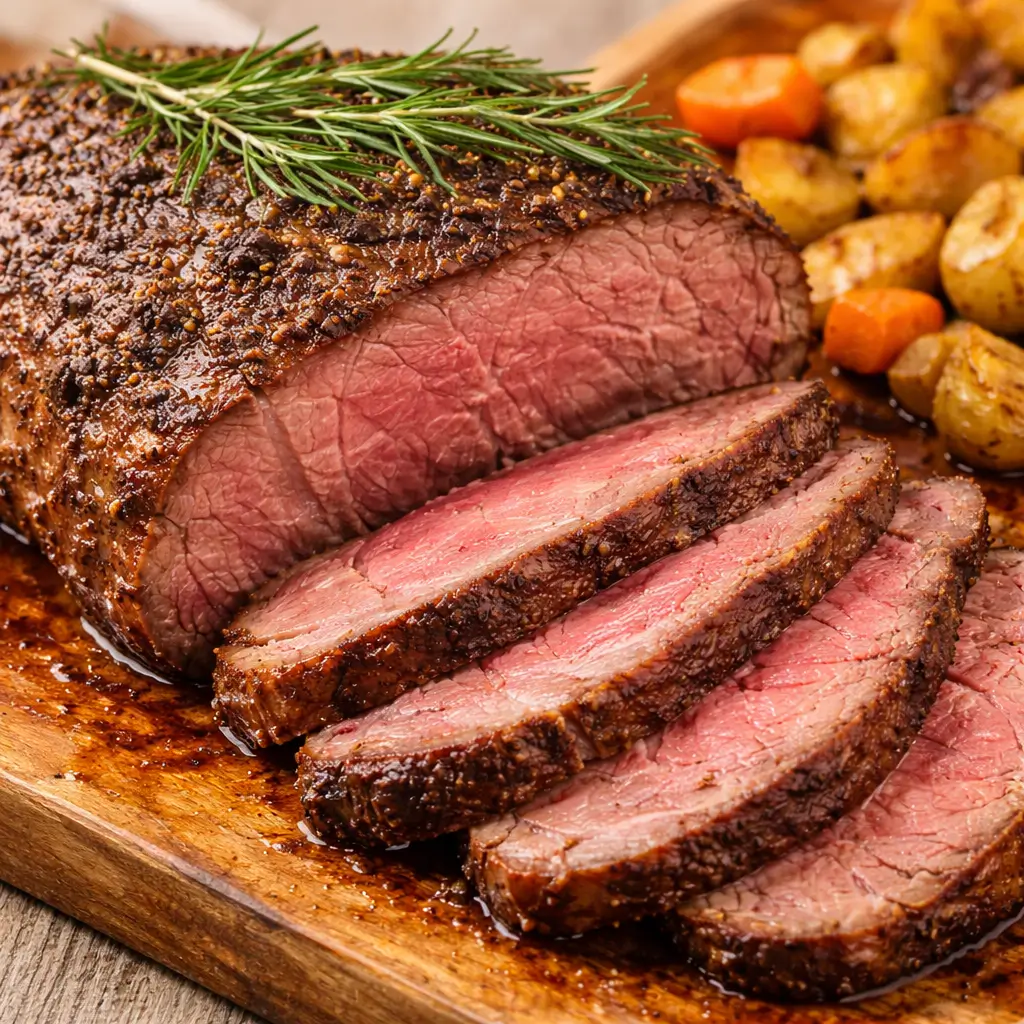
It’s rich. Tender. Full of those little pockets of fat that melt down as it cooks, basting the meat from the inside. That’s what gives it that buttery texture and deep, beefy flavor that somehow tastes like way more effort than it actually takes.
And here’s the part, folks don’t always realize ribeye roast is basically prime rib’s slightly less dramatic cousin. Same part of the cow. Just trimmed down a bit. No giant bones sticking out. Which, let’s be honest, makes things a whole lot easier when you’re slicing it up in your own kitchen.
This beef rib eye roast is tender, rich, and bursting with flavor thanks to the fat marbling that self-bastes as it cooks.
People sometimes pass on it because it doesn’t look “fancy” in the package. But don’t be fooled. This cut doesn’t need a spotlight. It just needs salt, a bit of heat, and someone who knows how to let good meat speak for itself. You give it that, it’ll return the favor.
Why Go with a Ribeye Roast?
Close. Really close, actually. Both come from the rib section. But ribeye roast is usually sold boneless, which means it cooks more evenly and slices cleaner. You still get that melt-in-your-mouth texture… just with less hassle and more room in the roasting pan.
Selecting the Perfect Ribeye Roast
So, you’re ready to make a beef ribeye roast recipe work in your kitchen.
From bone-in to boneless, understanding marbling and choosing quality makes all the difference in a successful roast ribeye recipe.
Here’s the breakdown.
First off, bone-in or boneless? Honestly, both are great—it comes down to what you’re going for. Bone-in feels a bit more traditional, and yes, the bone does help insulate the meat a little, keeping it juicy. But boneless? That’s the weekday warrior’s choice. Easier to season, easier to sear, and a whole lot simpler to slice.
Now, about size. A general rule? Plan on about 1/2 to 3/4 pound of raw ribeye roast per person. If you’re feeding a crowd, go big. If it’s just you and a couple of lucky guests, a smaller 2–3 pound roast will still make jaws drop.
Don’t overlook the fat. Good ribeye roast has visible marbling that’s those thin streaks of fat running through the meat. They melt down as it cooks and basically flavor every bite. If the roast looks lean, pass. You’re not making jerky.
Oh, and grades matter, but not as much as you’d think. USDA Prime is the gold standard, sure, but Choice is still really solid and easier on the wallet. If you’re buying from a local butcher or specialty shop, just ask them what they’d cook if it were their dinner. Nine times out of ten, they’ll steer you right.
How do I know if a ribeye roast is high quality?
Look for bright, cherry-red meat with fine marbling, those little white lines of fat throughout. The edges shouldn’t be dry or discolored. And if you gently press it, the meat should bounce back a bit. If it feels mushy or slimy? That’s a no.
Ingredients & Tools Needed
Alright, before you start heating the oven or dreaming about that perfect crust, let’s talk about what you’ll actually need. Good news—it’s a short list. Ribeye roast doesn’t need a parade of ingredients to shine. Most of the magic comes from the cut itself.
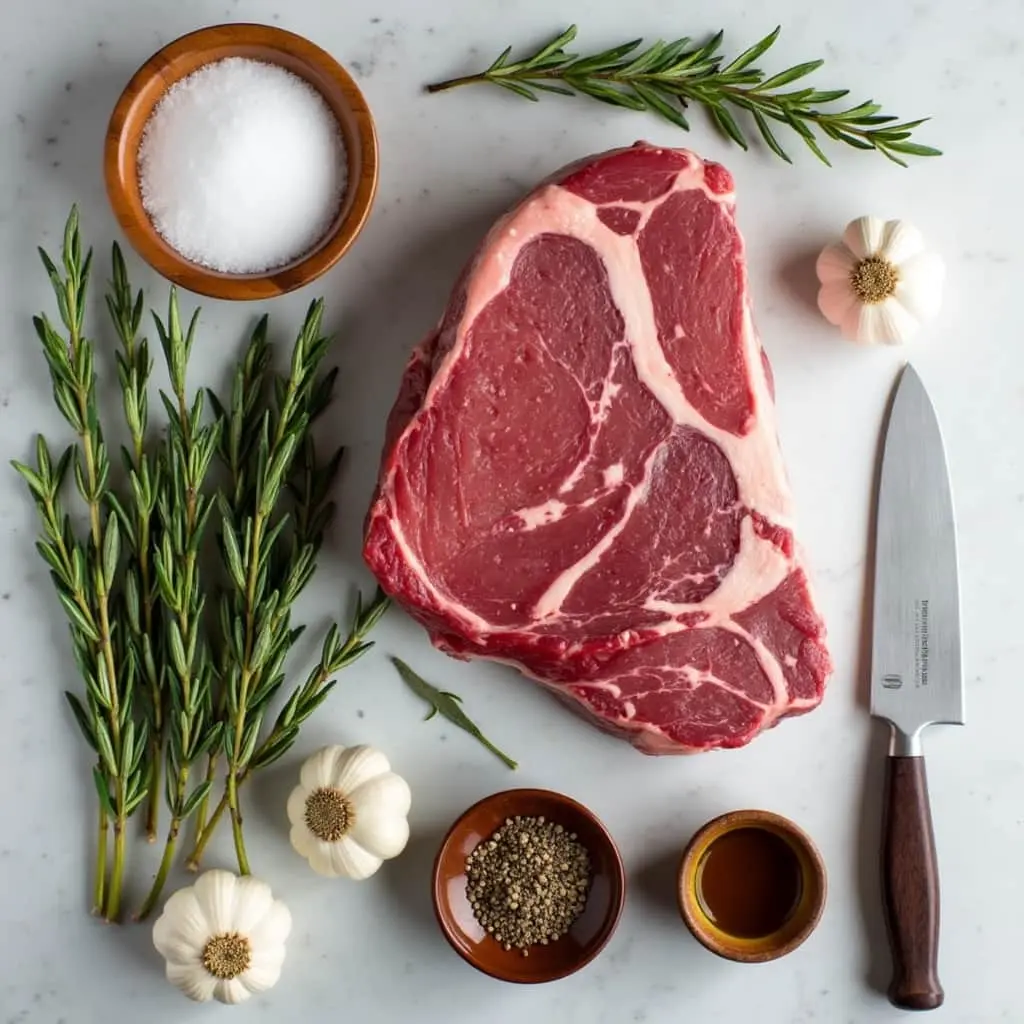
🧾 Ingredients
- 1 ribeye roast (anywhere from 2 to 6 pounds, bone-in or boneless)
- Kosher salt (generously—don’t hold back)
- Freshly ground black pepper (coarse is best)
- Garlic powder (optional, but adds a subtle kick)
- Fresh herbs (rosemary or thyme work great, but no pressure)
- Olive oil or softened butter (for coating the roast)
That’s pretty much it. You can go fancy with a spice rub, or tuck in some garlic slivers, but honestly? Just salt, pepper, and heat do the heavy lifting
🔪 Tools That Make Life Easier
- Roasting pan with a rack (keeps the roast elevated and cooking evenly)
- Meat thermometer (digital is bestcit takes out the guesswork)
- Carving knife (sharp enough to slice without tearing)
- Kitchen twine (if your roast is boneless and needs a little shape support)
- Aluminum foil (for resting the roast after it’s done)
If you’ve got those on hand, you’re already ahead of the game. No need for gadgets or complicated gear. This is a back-to-basics recipe that just works like reliably.
Can I use a cast iron skillet instead of a roasting pan?
Yep, you absolutely can. Just make sure it’s big enough to hold the roast without crowding. And if you’ve got a wire rack that fits inside, even better. If not? No sweat—just flip the roast halfway through cooking to keep the bottom from getting soggy. For expert tips on selecting the perfect beef cut, visit the American Beef Council.
Dry Brining (Should You Salt Overnight?)
Yes — and it makes a big difference.

Salting your ribeye roast the night before allows the salt to draw out moisture, then reabsorb it back into the meat. This seasons the interior and dries the surface for a better crust.

How to do it:
- Salt generously
- Leave uncovered in the fridge 8–24 hours
- Bring to room temperature before cooking
Ribeye Roast Cooking Time Chart (Bone-In & Boneless)
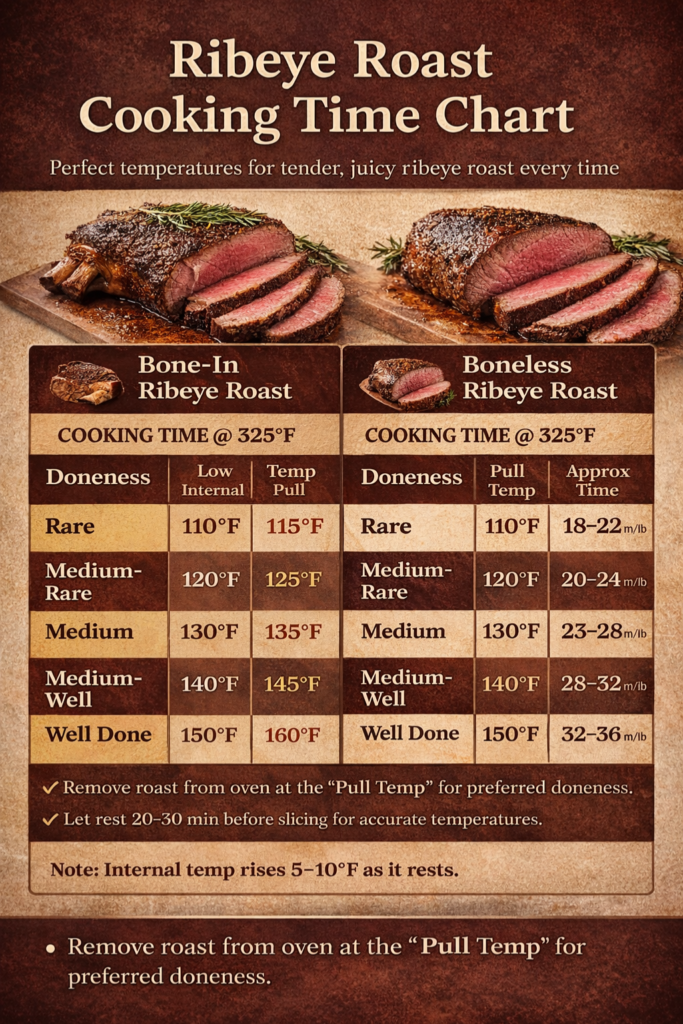
One of the most common questions when cooking a ribeye roast is: how long does it actually take?
Use this chart as a guideline after the initial 15-minute sear at 450°F, then reducing to 325°F.
Always rely on a thermometer for accuracy.
| Weight | Boneless Time | Bone-In Time | Pull Temp |
|---|---|---|---|
| 2 lb | 40–50 min | 45–55 min | 120–125°F |
| 3 lb | 60–75 min | 65–80 min | 120–125°F |
| 4 lb | 80–100 min | 90–110 min | 120–125°F |
| 5 lb | 100–120 min | 110–130 min | 120–125°F |
| 6 lb | 120–140 min | 130–150 min | 120–125°F |
Cooking Methods Explained
So, you’ve got your ribeye roast. Seasoned, rested, and ready. Now comes the million-dollar question: how do you actually cook the thing? The truth is, there’s more than one way to do it right. Below are three solid routes depending on your tools, vibe, and how much of a crust you’re chasing.
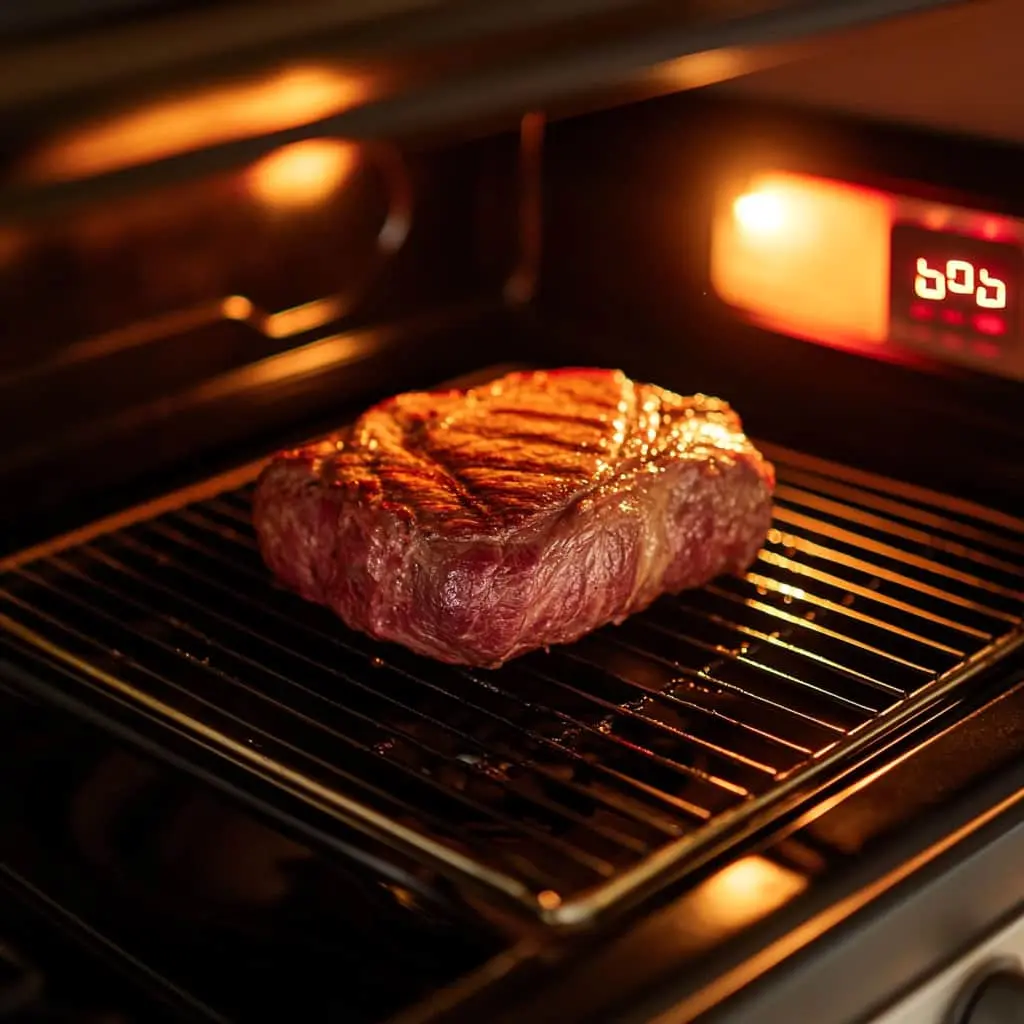
🔥 Method 1: Oven Roasting (classic & foolproof)
This is the standard go-to for most ribeye roast recipes. Preheat your oven to 450°F (232°C), give the roast a quick sear in a hot skillet if you want an extra crust, then drop the temp to 325°F (163°C) and roast until it hits your desired internal temperature.
General guide:
- Rare: 120–125°F (49–52°C)
- Medium-rare: 130–135°F (54–57°C)
- Medium: 140–145°F (60–63°C)
Let it rest for at least 15–20 minutes under foil before slicing. That rest isn’t optional, it’s what keeps the juices where they belong.
🔥 Method 2: Grilling (for the smoke lovers)
Got a grill? Even better. Rub your roast down, then set up two heat zones one side hot, one cooler. Start it on the cooler side with the lid down, then finish it over the flames to get that charred crust. Add some soaked wood chips for bonus flavor points.
It’s a bit more hands-on than the oven, but the payoff? Worth it.
🔥 Method 3: Reverse Sear (for the patient perfectionist)
This one’s gained cult status for a reason. Cook the roast low and slow in a 250°F (120°C) oven until it’s 10–15 degrees below your target temp. Then sear it fast in a ripping hot pan or 500°F (260°C) oven to finish.
What you get: edge-to-edge pink, minimal gray banding, and that satisfying crust at the end. It’s a game-changer, especially if you’re picky about doneness.
What’s the best method for beginners?
Oven roasting, hands down. It’s simple, predictable, and doesn’t require flipping or moving parts. Start there. Once you’ve nailed that, feel free to explore the grill or reverse sear. No wrong turns here, just different roads to delicious.
Use a Thermometer (This Changes Everything)
If there’s one thing that guarantees success with a ribeye roast, it’s using a thermometer.
Cooking time alone is unreliable. Every oven is different, and roast shapes vary.
Insert an oven-safe thermometer into the center before cooking and monitor it throughout.
Remove the roast at:
- 120°F for rare
- 125°F for medium-rare
- 130°F for medium
The temperature will continue to rise during resting.
Serving Suggestions
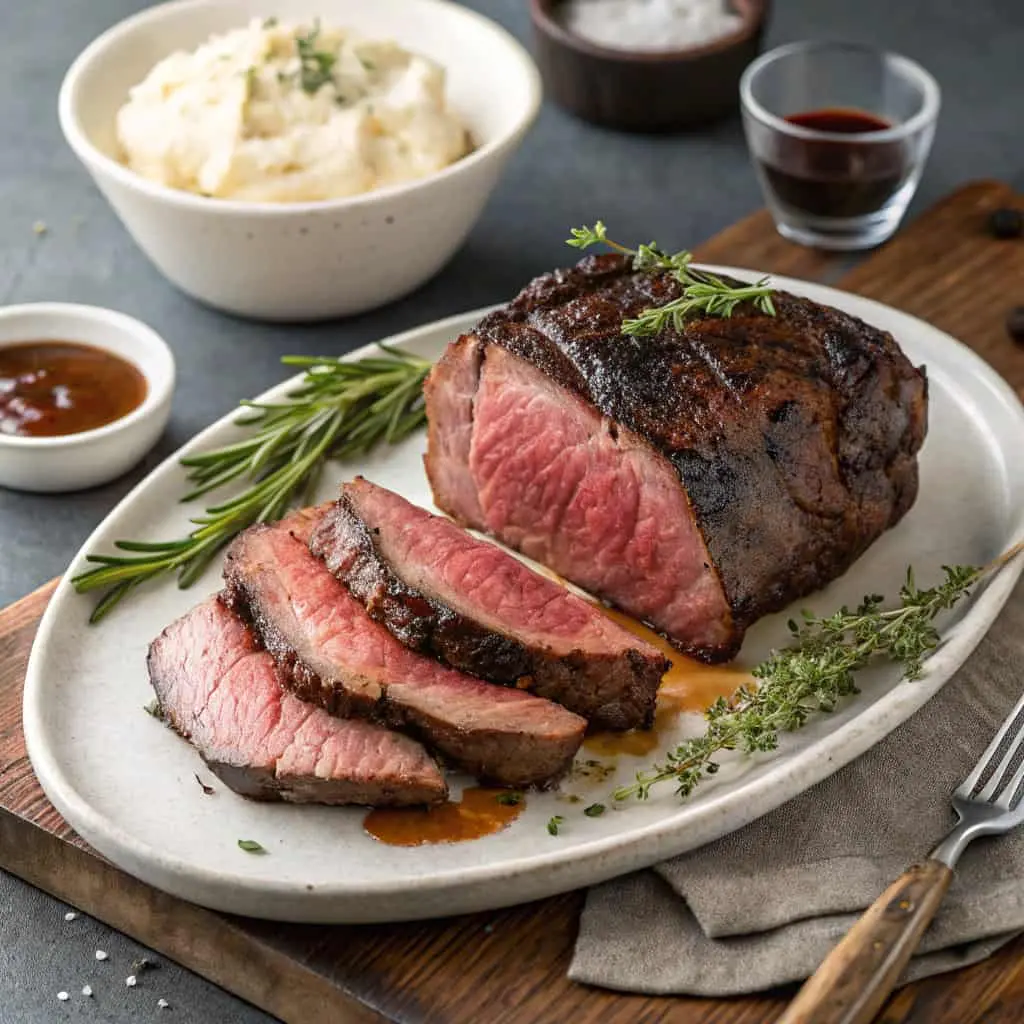
So the ribeye roast is resting. It’s still hot, still glistening, and your kitchen smells like… something special’s about to happen. Now comes the fun part: figuring out what to plate with it.
Honestly? You don’t need to overthink it.
A pile of mashed potatoes fluffy, with maybe a bit of garlic or butter stirred in goes perfectly. Or roasted potatoes, the kind with crispy edges you pick off the tray before anyone sees. Even cauliflower mash if someone’s watching their carbs. It’s less about being fancy and more about making the plate feel right.
Throw some greens on there. Doesn’t matter if it’s sautéed green beans, garlicky broccolini, or a chilled salad with a bit of crunch. Something bright. Something that wakes up the richness.
And sauce? You could skip it. But if you’ve got time for a red wine reduction or even just a quick horseradish mix with sour cream, people will talk about it. In a good way.
Bread? Sure. A warm loaf. Maybe a little butter. Or skip it and just go straight for the meat and sides. Nobody’s judging.
Do I really need a sauce with ribeye roast?
Nope. It’s flavorful on its own. But if you want to dress it up try something creamy or tangy. Horseradish, mustard, red wine, even a bit of garlic herb butter. Just put it on the side and let folks do their thing.
Whether you’re plating your beef rib eye roast with mashed potatoes or roasted veggies, keep the vibe simple but satisfying.
To enhance your ribeye roast recipe article on TimesRecipes.com, consider adding internal links to related content on your site. Here are some suggestions:
1. Side Dishes:
- Smoked Gouda Mac and Cheese: A creamy, smoky side that pairs well with ribeye roast.
- Purple Cabbage Recipes: Offers vibrant, tangy sides like quick-pickled cabbage and braised dishes.
2. Other Beef Recipes:
- Beef Chuck Eye Steak Recipe: An affordable alternative to ribeye with robust flavor.
- Braised Beef Recipe: A comforting dish that showcases slow-cooked beef in red wine.
3. Sauces and Condiments:
- Bang Bang Sauce Recipe: A spicy, creamy sauce that can add a kick to your roast.
Storage & Reheating Tips
Leftover beef ribeye roast is gold. Store it smart, reheat it gently, and you’ll get another meal that’s just as impressive.
Keeping It Fresh
Once it’s cooled to room temp (don’t rush it), wrap the roast tightly in foil or stick it in an airtight container. Fridge it. It’ll keep for 3 to 4 days without losing its magic. Any longer? Freeze it. Just slice it first so you don’t end up chipping at a frozen meat brick later.
If you do freeze it, double wrap foil, then a freezer bag. It’ll hold up for a couple of months easy.
Reheating Without Ruining It
This part makes people nervous. Totally fair. You don’t want to take that perfect pink center and turn it into leather.
Best move? Slice what you need, lay it in a baking dish with a splash of broth or even a little melted butter, cover it with foil, and reheat at 275°F (135°C) until warm. Slow and low. About 10 to 15 minutes should do the trick.
Microwave? Eh… not ideal. But if you must, go low power, short bursts, and cover it with a damp paper towel. It’s not perfect, but it works in a pinch.
Bonus: leftover ribeye roast makes killer sandwiches, tacos, even a steak-and-egg breakfast if you’re the kind of person who wakes up hungry.
How to Keep Ribeye Roast Warm Before Serving
If your roast finishes early, don’t panic.
Set your oven to 170°F and place the roast inside loosely covered with foil.
You can hold it for up to 1 hour without overcooking.
Keep a thermometer inside and avoid going above 140°F.
Can I eat ribeye roast cold?
Absolutely. Thinly sliced, cold ribeye roast on toasted bread with mustard or horseradish cream? Weirdly satisfying. Add some pickles. Trust me
Frequently Asked Questions
Can I cook a ribeye roast straight from the fridge?
You can, but it’s not ideal. Let it sit out for about 30 to 45 minutes first. Taking the chill off helps it cook more evenly, which means fewer surprises when you slice in.
How do I get a really good crust on the outside?
Pat the roast dry. Like, really dry. Then season it generously and either start at high heat (like 450°F) for 15 minutes before lowering, or do a reverse sear at the end. Crust needs dry heat and patience. Don’t crowd it. Don’t cover it.
Should I tie a ribeye roast with twine?
If it’s boneless, yep especially if the shape’s a bit lopsided. It helps it cook evenly and slice clean. If it’s bone-in and holds its shape on its own, you can skip the twine.
What’s the best doneness for ribeye roast?
Most folks aim for medium-rare (130–135°F). It gives you that tender, juicy bite with enough structure. But hey, if you like it more done, go for it. Just watch the temp things can go dry fast past 145°F.
Can I season my ribeye roast the night before?
Absolutely. Salt it the night before and let it rest uncovered in the fridge. It dry-brines the surface and amps up flavor. Just remember to bring it to room temp before roasting.
How long does a 3 lb ribeye roast take to cook?
About 60–75 minutes at 325°F after searing, but always use a thermometer.
Should you put water in the roasting pan?
No — it creates steam and prevents a crust from forming.
Troubleshooting Ribeye Roast
Gray inside: cooked too fast or not rested
Dry meat: overcooked above 145°F
No crust: surface wasn’t dried before cooking
Tough texture: sliced with the grain
If you enjoy rich beef recipes, try our Braised Beef Recipe for a fall-apart texture, or Steak Bites Recipe for a quicker meal option.
Conclusion
So that’s it. A ribeye roast recipe that doesn’t need a culinary degree or a second mortgage. Just solid ingredients, a bit of patience, and a willingness to trust your instincts once the heat hits.
Maybe it’s for a holiday dinner. Or maybe it’s just because you felt like doing something special on a random Sunday. Either way, if you’ve made it this far, you’re probably about to pull off something that tastes like a celebration.
When you try it, take a moment. Notice the way the knife slices through, how the juices pool, the smell that hits you just before that first bite. That’s the stuff people remember. Not the sides. Not the table setting. The roast. You made that.
If this ribeye roast recipe made your table a little warmer or your meal a little better, I’d love to hear about it. Share it, tweak it, make it yours.
Juicy Ribeye Roast Recipe (Perfect Every Time!)

Equipment
- Roasting pan with rack
- Oven-safe meat thermometer
- Carving knife
- Aluminum foil
- Small mixing bowl
- Pastry brush or spoon
Ingredients
The Roast
- 1 ribeye roast, boneless or bone-in 2 to 6 pounds — let it come to room temperature for 45 minutes before cooking
Seasoning Rub
- 2 tbsp kosher salt coarse — do not substitute table salt
- 1 tbsp freshly ground black pepper coarse grind preferred
- 1 tsp garlic powder
- 2 tbsp olive oil or softened butter butter gives a richer crust
- 2 sprigs fresh rosemary optional — or substitute fresh thyme
Instructions
- Remove the ribeye roast from the refrigerator 45 minutes before cooking. This helps it cook more evenly.
- Preheat your oven to 450°F. Place a roasting rack inside your pan.
- In a small bowl, mix the kosher salt, black pepper, and garlic powder. Pat the roast completely dry with paper towels. Brush or rub the olive oil or softened butter all over the roast, then press the seasoning mix firmly into every surface.
- Place the roast fat-side up on the rack in your roasting pan. Insert an oven-safe meat thermometer into the thickest part of the center, avoiding bone or large fat pockets.
- Roast at 450°F for 15 minutes to develop the crust.
- Without opening the oven door, reduce the oven temperature to 325°F. Continue roasting until the roast reaches 10°F below your target doneness: 115°F for rare, 125°F for medium-rare, or 135°F for medium.
- Transfer the roast to a cutting board and tent loosely with aluminum foil. Let it rest for at least 20 minutes, or 30 minutes for larger roasts.
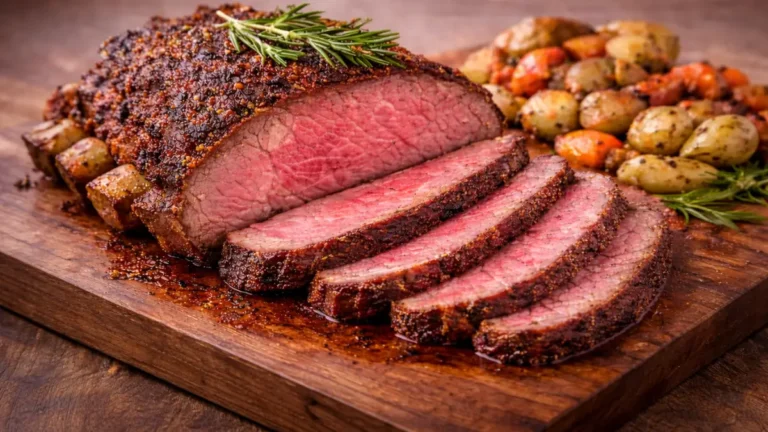
- Slice against the grain into 3/4-inch thick slices for serving, or thinner for sandwiches. Serve immediately.
Notes
3 lbs: Boneless ~13 min/lb (39 min), Bone-In ~18 min/lb (54 min), Pull Temp 125°F
4 lbs: Boneless ~13 min/lb (52 min), Bone-In ~18 min/lb (72 min), Pull Temp 125°F
5 lbs: Boneless ~13 min/lb (65 min), Bone-In ~18 min/lb (90 min), Pull Temp 125°F
6 lbs: Boneless ~13 min/lb (78 min), Bone-In ~20 min/lb (120 min), Pull Temp 125°F
7 lbs: Boneless ~15 min/lb (105 min), Bone-In ~20 min/lb (140 min), Pull Temp 125°F Doneness Guide:
Rare: Pull at 115°F, final temp 120–125°F, cool red center
Medium-Rare: Pull at 125°F, final temp 130–135°F, warm red center
Medium: Pull at 135°F, final temp 140–145°F, warm pink center
Medium-Well: Pull at 145°F, final temp 150–155°F, slightly pink
Well Done: Pull at 155°F, final temp 160–165°F, no pink Pro Tips: Dry the surface completely before seasoning. For even better flavor and crust, salt the roast and leave it uncovered in the refrigerator overnight to dry brine. Use an oven-safe probe thermometer for accuracy. Always pull the roast about 10°F below your target doneness to account for carryover cooking. If needed, hold the roast warm in a 170°F oven for up to 1 hour, tented loosely with foil. Troubleshooting: A gray band usually means the roast cooked too hot or went into the oven too cold. Dry texture means it was overcooked or not rested. A pale crust means the roast surface was not dry enough or the oven was not fully preheated.
9 thoughts on “Juicy Ribeye Roast Recipe (Perfect Every Time!)”