If you’ve been searching for a chicken salad that’s better than anything you’d get at the deli counter, this is it. My chicken salad with grapes recipe is creamy, crunchy, sweet, and savory all at once — and it comes together in about 15 minutes. Serve it piled onto a buttery croissant, tucked into lettuce wraps, or scooped straight onto crackers. It’s one of my most-made lunch recipes, and once you try it, you’ll understand why.
If you want another easy chicken lunch idea, try this healthy chicken salad recipe for a lighter variation.
Table of Contents
What Is Chicken Salad With Grapes?
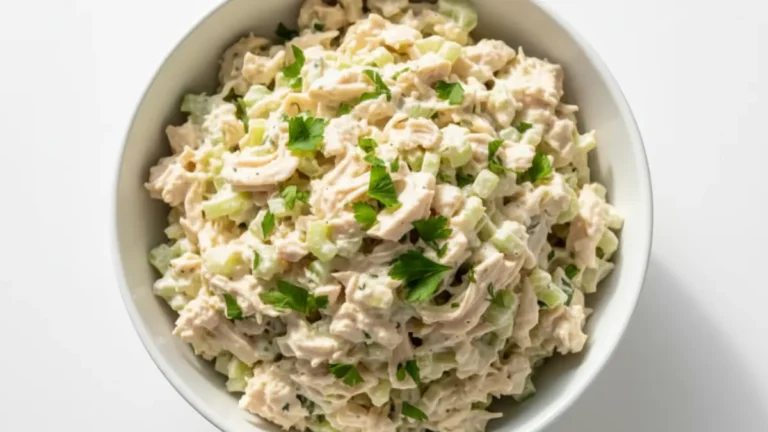
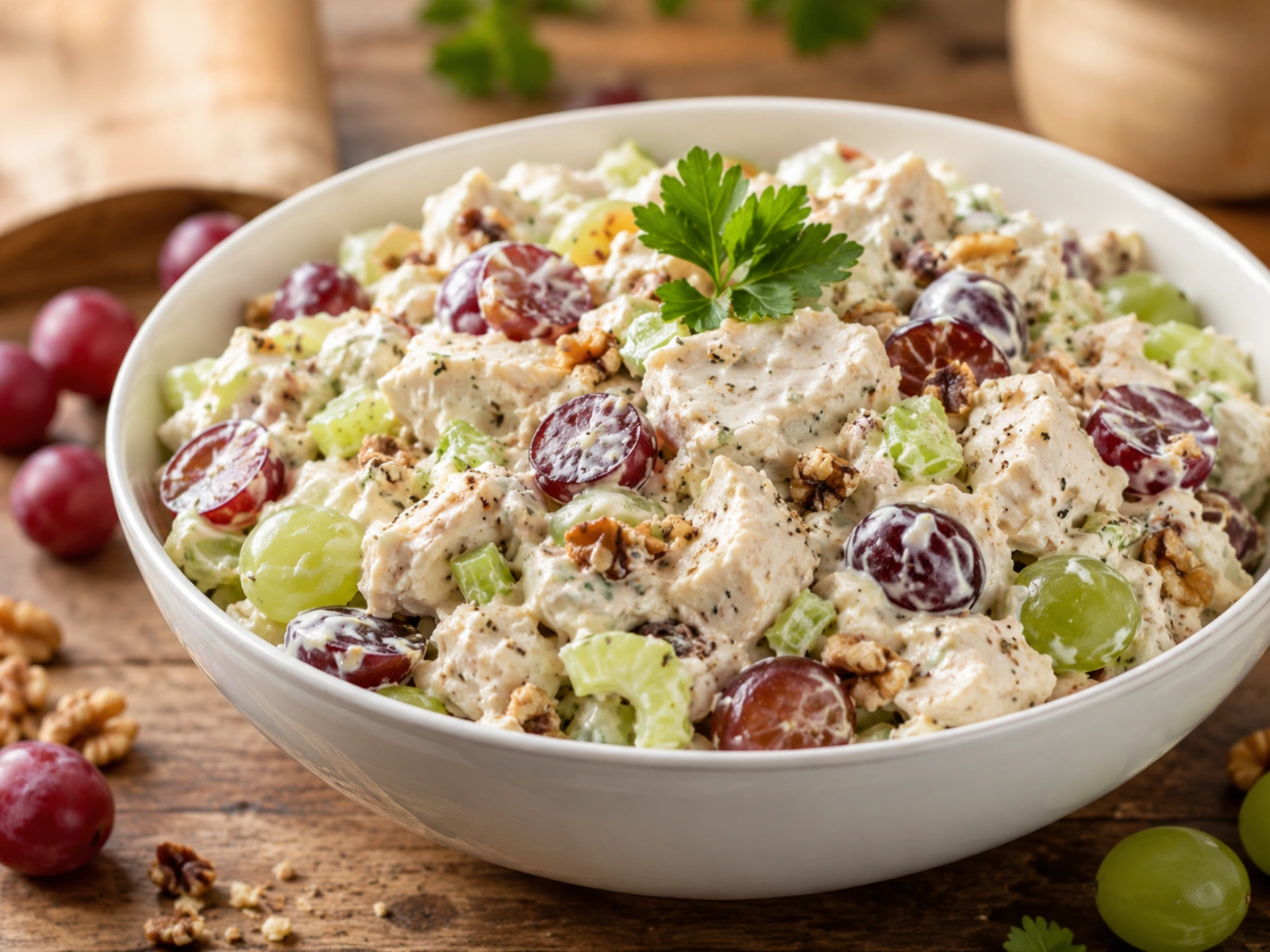
Classic chicken salad with grapes is a creamy, cold salad made with cooked chicken, fresh grapes, crisp celery, and a rich mayonnaise-based dressing — finished with toasted pecans or walnuts for crunch. It’s a step above a standard chicken salad because the grapes add a burst of juicy sweetness that balances the savory chicken and creamy dressing beautifully.
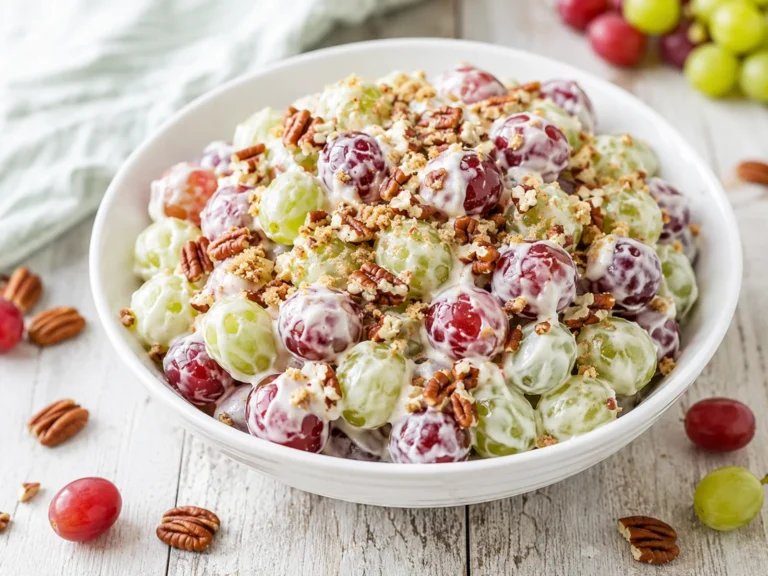
This is a proper savory chicken salad — not the sweet dessert grape salad made with cream cheese and brown sugar (that’s a whole separate dish you can find in my grape salad recipe). This version is lunch food at its finest: satisfying, fresh, and genuinely better than anything you’d pull from a deli case.
The old fashioned chicken salad with grapes recipe has been a Southern staple for decades, and the Chicken Salad Chick version popularized it for a whole new generation. My version is inspired by that classic but built for your home kitchen — simple ingredients, flexible technique, and results that taste like you spent way more time than you actually did.
Why You’ll Love This Recipe
Quick and Easy
The biggest shortcut in this recipe? Rotisserie chicken. Pick one up on your way home, shred it in minutes, and you’ve skipped the hardest part. No cooking, no poaching, no waiting. This is a genuinely fast, easy chicken salad that still tastes like you made it from scratch.
Perfect for Croissants and Sandwiches
There is nothing quite like a chicken salad croissant. The buttery, flaky layers of a croissant hold up perfectly against the creamy filling, and the combination looks and tastes bakery-quality. It’s also one of the most pinned lunch ideas on Pinterest for a reason — it photographs beautifully and people genuinely want to make it.
Creamy, Crunchy, Sweet, and Savory
Every component of this salad plays a role. The chicken is hearty and savory. The grapes are cool and juicy. The celery adds crunch and freshness. The pecans bring buttery richness. And the dressing ties everything together with a smooth, slightly tangy creaminess. It’s a genuinely satisfying combination of textures and flavors in every single bite.
Great for Meal Prep
Make a big batch on Sunday and you’ve got easy lunches for the week. The salad keeps well in the fridge for 3–4 days, and it actually tastes better after a night of chilling when the flavors have had time to meld. This make-ahead chicken salad is one of my most-used meal prep recipes.
Easy to Customize
This recipe is a flexible base, not a rigid formula. Use mayo or swap in Greek yogurt. Use pecans or try walnuts or almonds. Use rotisserie chicken or canned chicken. Add apples, dried cranberries, or fresh herbs. Once you know the base, you can make it your own.
Ingredients You’ll Need
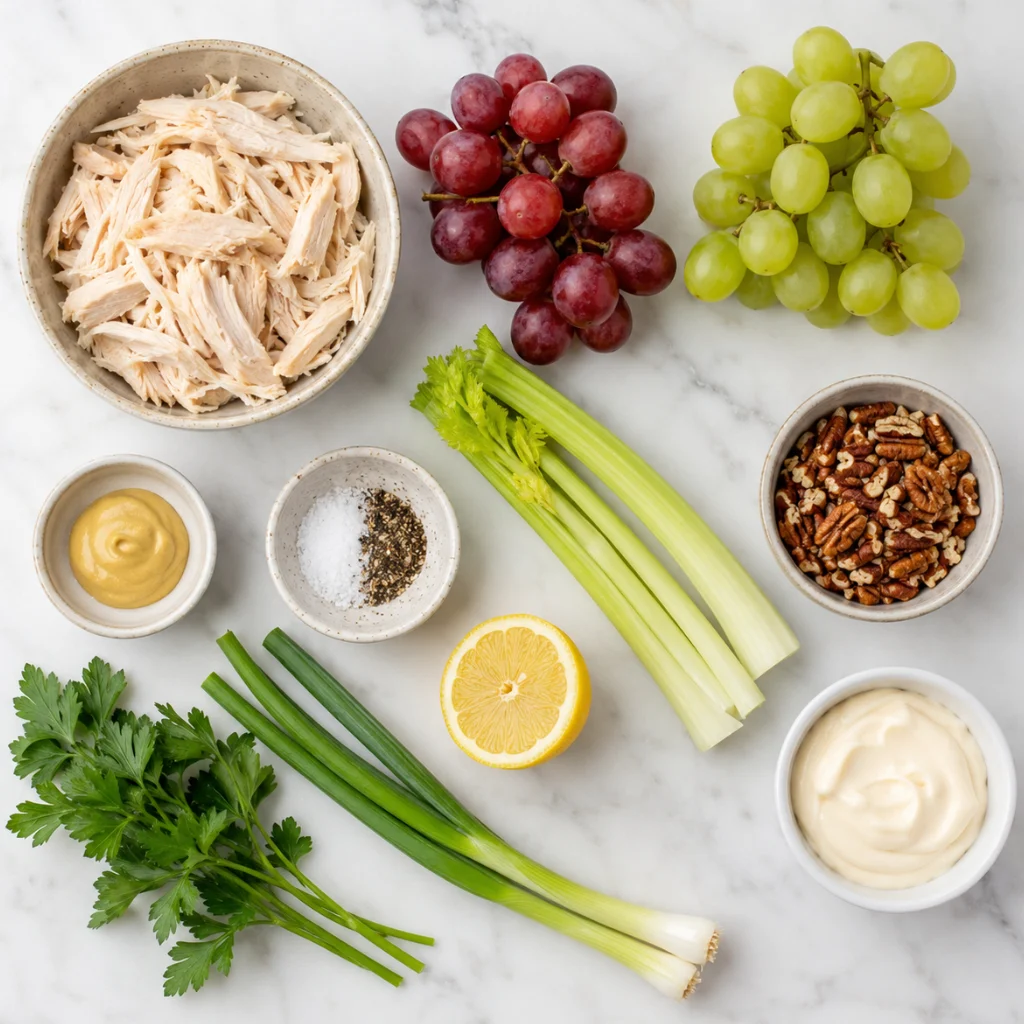
Good chicken salad starts with good ingredients. Here’s what goes into this recipe and why each one matters.
Cooked Chicken
You’ll need about 3 cups of cooked, shredded or chopped chicken — roughly 1 pound. I almost always use rotisserie chicken when I need this fast, and it produces a wonderfully tender, flavorful result. That said, you have several great options:
- Rotisserie chicken: Fastest and most flavorful. Just shred the breast and thigh meat and you’re done. One note: rotisserie chicken can be salty, so taste your salad before adding any extra salt.
- Poached chicken: The best option for a clean, classic flavor. Gently simmer boneless chicken breasts in salted water with a bay leaf until just cooked through, then shred while still warm.
- Grilled chicken: Adds a mild smoky flavor. Keep the seasoning simple so it doesn’t compete with the other ingredients.
- Canned chicken: Budget-friendly and convenient — more on this in a moment.
- Leftover chicken: Perfect for using up what’s already in the fridge. Roast chicken, baked chicken breasts, or even leftover rotisserie all work well.
Grapes
Use about 1½ cups of seedless grapes, halved. Red grapes are my first choice — they’re sweet, plump, and their deep color makes the salad look gorgeous. Green grapes work beautifully too, offering a slightly crisper texture and a tangy edge that plays well against the creamy dressing. A mix of both gives you the best of both worlds.
Whatever variety you choose, make sure the grapes are firm and fresh, not soft or shriveled. And always halve them — it makes the salad easier to eat in sandwiches and ensures grape flavor in every single bite rather than occasionally.
Celery
Two stalks of celery, finely diced. This is the backbone of the crunch in the salad. It also adds a fresh, slightly herbal flavor that keeps the salad from feeling heavy. Dice it small — about ¼-inch pieces — so it distributes evenly without overwhelming any single bite. Save any celery leaves you find; they add a lovely herb flavor stirred in with the dressing.
Green Onion or Red Onion
I use 2–3 green onions, thinly sliced, because they add a mild onion flavor without being sharp or overpowering. If you prefer a bolder flavor, ¼ cup of finely diced red onion works well. Soaking red onion in cold water for 10 minutes before adding it will soften the sharp edge considerably — a useful trick if you’re sensitive to raw onion.
Pecans, Walnuts, or Almonds
Half a cup of chopped pecans is the classic Southern choice — buttery, rich, and slightly sweet. Walnuts are earthier and slightly more bitter, which creates an interesting contrast with the sweet grapes. Toasted almonds give a cleaner, crisper crunch. All three work well. For a nut-free version, roasted sunflower seeds or pumpkin seeds add a satisfying crunch without any allergen concerns.
Whatever nut you choose, toast them briefly in a dry skillet over medium heat for 3–4 minutes. It makes a noticeable difference in flavor.
Mayo, Greek Yogurt, or Sour Cream
The dressing base is ½ cup of good mayonnaise. Full-fat mayo gives the richest, most classic result. For a lighter version, replace half or all of the mayo with plain full-fat Greek yogurt — the salad will be slightly tangier and higher in protein. Sour cream can also be used for a milder tang and creamy consistency. More detail on each option in the dressing section below.
Flavor Boosters
Don’t skip these — they’re what separates a good chicken salad from a great one. One teaspoon of Dijon mustard adds depth and a gentle sharpness. A squeeze of fresh lemon juice brightens everything and keeps the salad from tasting flat. Fresh parsley or dill adds a herbal note. A tiny pinch of dried ginger — and I mean just a pinch — adds a subtle warmth that makes people ask what your secret is.
Best Chicken to Use for Chicken Salad With Grapes
This section is worth spending a moment on because the type of chicken you use genuinely changes the character of the final salad.
Rotisserie Chicken
This is my personal go-to for the fastest, most flavorful result. Rotisserie chicken is already seasoned, tender, and easy to shred. Pull the breast and thigh meat, discard the skin, and shred it into pieces while it’s still slightly warm for the easiest texture. The one thing to watch: rotisserie chicken can be quite salty. Taste your salad before adding any additional salt.
Canned Chicken
Canned chicken is a legitimate option when you need a budget-friendly or pantry-based version. The most important step is draining it extremely well — press out as much liquid as possible before flaking it into the bowl. Excess liquid from canned chicken is one of the main reasons chicken salad turns watery. Once drained and flaked, it blends into the dressing smoothly and the finished salad tastes much better than you’d expect.
Poached Chicken
Poaching gives you the purest, cleanest chicken flavor and the most control over salt level. Place boneless chicken breasts in a pot, cover with cold water, add a pinch of salt and a bay leaf, and bring to a gentle simmer. Cook for 15–18 minutes until just cooked through. Shred the chicken while it’s still warm — warm chicken shreds more easily and absorbs the dressing better than cold chicken.
Grilled Chicken
Grilled chicken works well if you have some on hand. The slight char adds a subtle smoky note that’s pleasant in the background. Just make sure the chicken isn’t too heavily seasoned before grilling — strong marinades can clash with the sweet grapes and creamy dressing.
Leftover Chicken
Any leftover cooked chicken can go into this salad. Roast chicken, baked chicken breasts, or last night’s rotisserie are all fair game. This is one of the best ways to use up leftover chicken without making something that feels like a repeat meal.
| Chicken Type | Best For | Key Tip |
|---|---|---|
| Rotisserie | Fastest version | Use less salt in dressing |
| Canned | Budget-friendly | Drain extremely well |
| Poached | Classic, clean flavor | Shred while warm |
| Grilled | Smoky variation | Keep seasoning simple |
| Leftover | Reducing waste | Taste before seasoning |
Should You Shred or Chop the Chicken?
Both work — the right choice depends on the texture you’re going for.
Shredded chicken is my preference for this recipe. Shredded pieces catch the dressing in all their little crevices, so every bite is properly coated. Shredded chicken also holds together better in sandwiches and croissants, which is important when you’re eating on the go. It gives the salad a softer, more cohesive texture that feels homemade rather than deli-cut.
Chopped chicken gives you a chunkier, more textured result. If you like a deli-style chicken salad where you can really see and taste each distinct piece of chicken, go with a dice. Cut into pieces roughly ½ inch in size for the best balance.
For croissants and sandwiches, shredded chicken is the clear winner. For crackers or a salad bowl, chopped chicken works beautifully. I usually shred mine because I almost always end up making croissant sandwiches.
Red Grapes vs Green Grapes
Both varieties work well in this salad, and choosing between them comes down to the flavor profile you want.
Red grapes are sweeter, plumper, and more classic. Their dark ruby color makes the salad look beautiful, especially against the pale cream dressing and bright green celery. Most old fashioned chicken salad recipes use red grapes, and for good reason — they’re the perfect sweet counterpoint to savory chicken.
Green grapes are crisper and slightly tangier. If you prefer a less-sweet salad or you want a brighter, fresher flavor profile, green grapes are the better choice. They hold their texture well even after chilling and work particularly nicely with a Greek yogurt dressing.
A mix of both is my actual recommendation. You get a more interesting flavor — the sweetness of red balanced by the tartness of green — and the color contrast makes the salad look genuinely stunning in a bowl or on a croissant.
Should You Cut Grapes in Half?
Yes, always. Halving the grapes serves two important purposes. First, it distributes grape flavor more evenly through the salad so every forkful has that sweet, juicy burst — not just the bites that happen to land on a whole grape. Second, halved grapes are much easier to eat in sandwiches and wraps without rolling around or taking over a single enormous bite. Cut them lengthwise through the center for the nicest shape.
How to Make Chicken Salad With Grapes
This is a straightforward recipe, but a few key steps make the difference between good and great.
Prep the Chicken
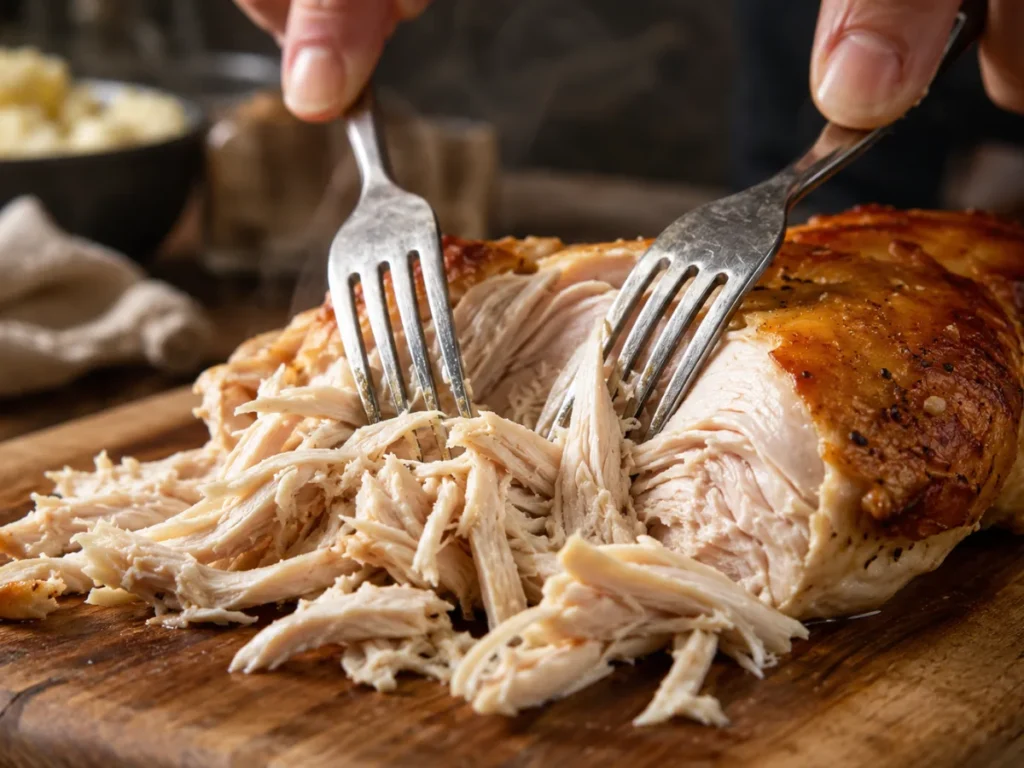
If using rotisserie chicken, pull the meat from the carcass while it’s still warm and shred it into pieces using two forks or your hands. Warm chicken shreds more cleanly and evenly than cold chicken pulled straight from the fridge. If using poached or grilled chicken, shred or dice it and allow it to cool completely before mixing — hot chicken will melt the mayo and make the dressing greasy.
Wash, Dry, and Cut the Grapes
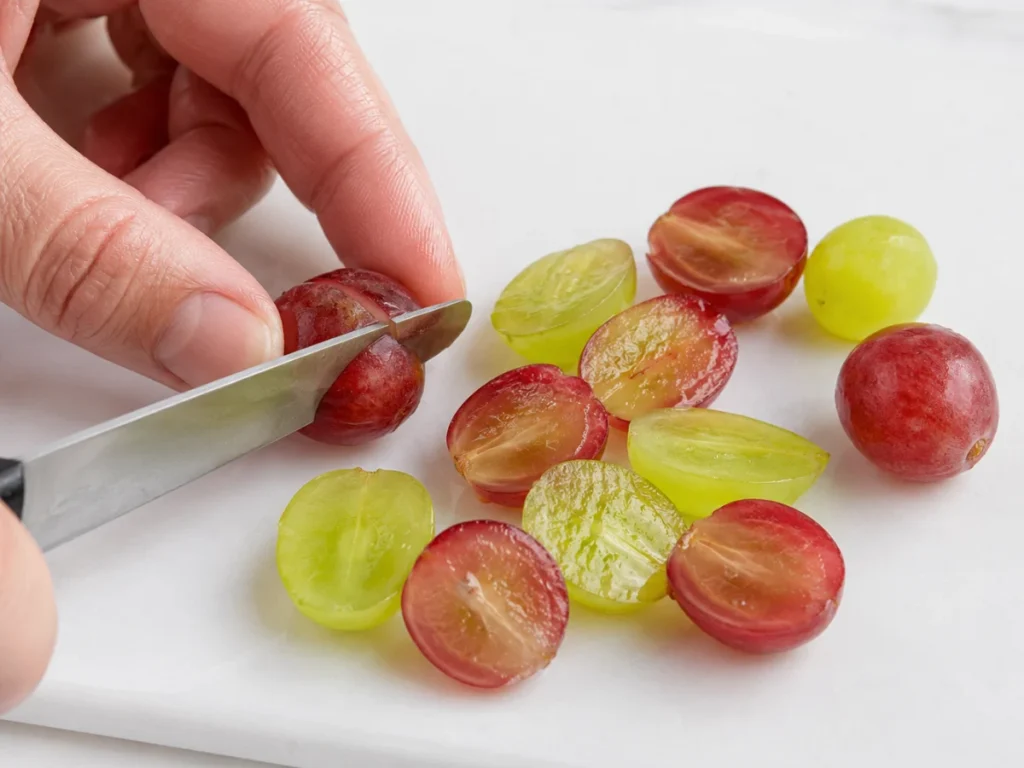
Rinse the grapes under cool water and then dry them thoroughly on a clean kitchen towel or paper towels. This step is critical and often skipped — wet grapes introduce excess moisture into the salad, which can make the dressing watery and thin over time. Once dry, halve each grape lengthwise and set aside.
Chop the Celery, Onion, and Nuts
Dice the celery into small, even pieces — about ¼ inch. This size blends into the salad without being intrusive. Slice the green onions thinly or finely dice the red onion. Roughly chop the pecans or walnuts into pieces about the size of a pea. If toasting the nuts (which I recommend), do it now in a dry skillet for 3–4 minutes, then let them cool before adding.
Mix the Dressing
In a large mixing bowl, combine the mayonnaise, Dijon mustard, fresh lemon juice, salt, and pepper. Whisk until smooth and fully combined. Taste the dressing before any chicken goes in — it should be creamy, slightly tangy, and well-seasoned. It’s much easier to adjust salt and acid at this stage than once the chicken and grapes are in the bowl.
If you’re using Greek yogurt, swap it in here for some or all of the mayo. Add fresh herbs like parsley or dill if using. A tiny pinch of dried ginger — really just a pinch — stirred into the dressing at this stage gives the finished salad a subtle warmth that most people can’t quite identify but always notice in a good way.
Fold Everything Together
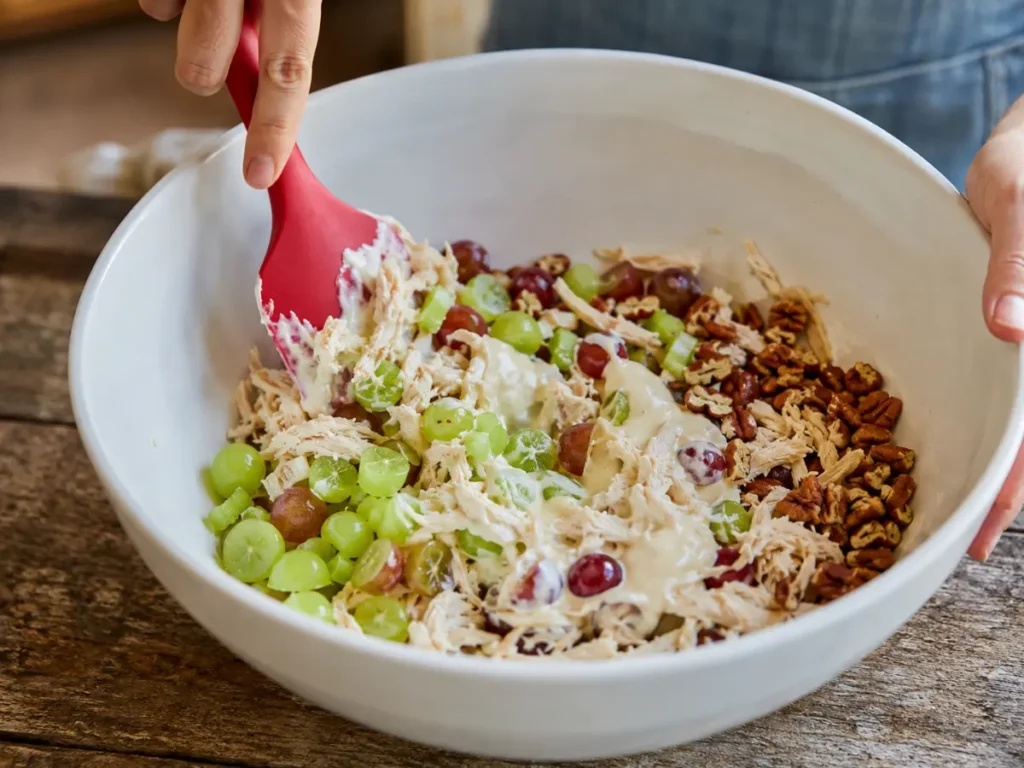
Add the shredded chicken, halved grapes, celery, and onion to the bowl with the dressing. Using a large rubber spatula, gently fold everything together until evenly coated. Be careful here — you want the grapes to stay whole, not crushed. Don’t stir aggressively. A few slow, sweeping folds will bring everything together without breaking anything down. Hold the nuts for now.
Chill and Taste Again
Cover the bowl and refrigerate for at least 30–60 minutes before serving. This step isn’t optional — it’s where the salad goes from good to genuinely delicious. The chicken absorbs the dressing, the flavors develop, and the texture firms up beautifully. After chilling, taste the salad again before serving. Cold salads often need a little more salt, an extra squeeze of lemon, or a touch more Dijon after chilling — your palate adjusts to temperature and you’ll catch things you didn’t notice before. Add the chopped nuts right before serving.
Best Dressing Options
The dressing is where this recipe is most flexible. Here’s a clear breakdown of your options.
Classic Mayo Dressing
Full-fat mayonnaise is the foundation of the traditional, old fashioned chicken salad with grapes recipe. It’s rich, creamy, and produces a deeply satisfying dressing that coats the chicken beautifully. Use a good-quality mayo — Duke’s or Hellmann’s are both excellent choices. Start with ½ cup and add more if needed after mixing.
Greek Yogurt Dressing
Replace some or all of the mayo with plain full-fat Greek yogurt for a lighter, higher-protein version. The yogurt adds a pleasant tang that works especially well with the sweet grapes. The texture is slightly less rich than mayo but still very creamy. This is my go-to when I want something that feels a little fresher and lighter.
Sour Cream Dressing
Sour cream gives a mild, dairy-forward creaminess with a gentle tang. It produces a slightly softer dressing than mayo — a little less sturdy but very smooth and pleasant. Works best when combined with a small amount of mayo rather than used entirely on its own.
Half Mayo, Half Greek Yogurt
This is my personal sweet spot. Half mayo gives you the richness and structure. Half Greek yogurt lightens it up and adds brightness. The result is creamy enough to feel indulgent but not so heavy that it weighs down the salad. I use this combination about 80% of the time.
Deli-Style Dressing Boosters
Whichever dressing base you choose, these additions make it taste more complex and interesting: Dijon mustard for depth, fresh lemon juice for brightness, celery leaves for subtle herbal flavor, fresh parsley or dill for freshness, and a tiny pinch of dried ginger for warmth. These are the small touches that make people wonder what your secret is — and they’re exactly what good deli chicken salad has that home versions often miss.
How to Keep Chicken Salad With Grapes From Getting Watery
A watery chicken salad is the most common complaint, and every single cause is preventable.
Dry the grapes completely. Any surface moisture on the grapes will migrate into the dressing as the salad sits. After washing, pat every grape dry before halving and adding to the bowl.
Use firm grapes. Overripe or soft grapes release juice quickly when cut and mixed. Always use firm, fresh grapes.
Drain canned chicken obsessively. Press it in the strainer, then press it again. Any liquid left in canned chicken goes straight into your dressing and thins it out immediately.
Don’t overdo the dressing. Start with less than you think you need. You can always add more, but you can’t remove dressing once it’s in. A slightly under-dressed salad that chills for an hour is better than an overdressed one that sits in a puddle.
Chill before serving. The dressing firms up in the fridge and clings better to the chicken after chilling. A salad served immediately after mixing will always feel looser than one that has rested for an hour.
Stir gently before serving. After chilling, give the salad one gentle stir to redistribute the dressing that may have settled to the bottom.
Add nuts right before serving. Nuts that sit in a dressed salad for hours absorb moisture and go soft. Add them at the last minute for the crunch they’re meant to provide.
Best Nuts and Add-Ins
Pecans
Pecans are the classic, Southern-style choice for chicken salad with grapes. They’re buttery, slightly sweet, and rich in a way that complements both the grapes and the creamy dressing. Toast them first — it takes 3–4 minutes in a dry pan and the flavor improvement is significant.
Walnuts
Walnuts are earthier and slightly more bitter than pecans, which actually creates a pleasing contrast with the sweet grapes. They add great crunch and a heartier flavor. Toasted walnuts in particular have a deep, rich nuttiness that pairs beautifully with Dijon and lemon in the dressing.
Almonds or Cashews
Sliced or slivered almonds add a clean, neutral crunch. They’re a great option if you find pecans or walnuts too strongly flavored. Cashews are creamier and slightly sweeter — an unexpected but lovely addition if you enjoy them.
Nut-Free Options
Roasted sunflower seeds or pumpkin seeds provide crunch without any nut allergen concerns. They blend in subtly and still deliver the textural contrast the recipe needs.
Extra Add-Ins
This salad is a great base for experimentation. A diced crisp apple adds another layer of sweetness and crunch alongside the grapes. Dried cranberries or raisins bring chewy sweetness. A strip or two of crispy bacon adds smoky richness. Ripe avocado stirred in gently makes the dressing extra creamy. Fresh dill or tarragon takes the salad in a more elegant, French-inspired direction. Finely diced pickles add a briny, tangy note that cuts through the richness beautifully.
Recipe Variations
Old Fashioned Chicken Salad With Grapes
The classic version: shredded chicken, halved red grapes, diced celery, mayo, a little Dijon, lemon juice, salt, pepper, and pecans. No shortcuts, no substitutions. Simple, timeless, and genuinely delicious. This is the version your grandmother would recognize and approve of.
Rotisserie Chicken Salad With Grapes
Pick up a rotisserie chicken, shred the meat, and you’ve got the fastest possible path to this recipe. The chicken is already seasoned and tender, so go light on additional salt and let the dressing do most of the flavor work. Ready in under 15 minutes.
Canned Chicken Salad With Grapes
Drain two cans of white-meat chicken extremely well — press in the strainer, then press again — and flake the meat before mixing. The texture is softer than shredded fresh chicken, but the flavor is good and the convenience is hard to beat. Add a little extra Dijon and lemon juice to brighten the flavor since canned chicken can taste flat on its own.
No Mayo Chicken Salad With Grapes
Replace all the mayo with plain full-fat Greek yogurt for a lighter, tangier, higher-protein version. The result is still creamy and satisfying, just noticeably lighter in feel. You can also use ripe mashed avocado as the dressing base for a dairy-free version — it gives the salad a rich, buttery texture with a completely different flavor profile.
Curried Chicken Salad With Grapes
Add 1 teaspoon of good curry powder to the dressing, swap the pecans for sliced toasted almonds, and toss in a small handful of golden raisins or dried cranberries alongside the grapes. The warm spice of the curry plays beautifully against the sweet fruit and creamy dressing. This curried chicken salad with grapes recipe is one of the most popular variations and for good reason — it’s bold, unexpected, and genuinely delicious.
Chicken Salad With Apples and Grapes
Add one small crisp apple — Honeycrisp or Fuji work best — diced small, alongside the grapes. The apple adds another layer of sweetness and a different texture that makes the salad feel more complex and interesting. This variation is especially good in fall when apples are at their best.
What to Serve With Chicken Salad With Grapes
Croissants
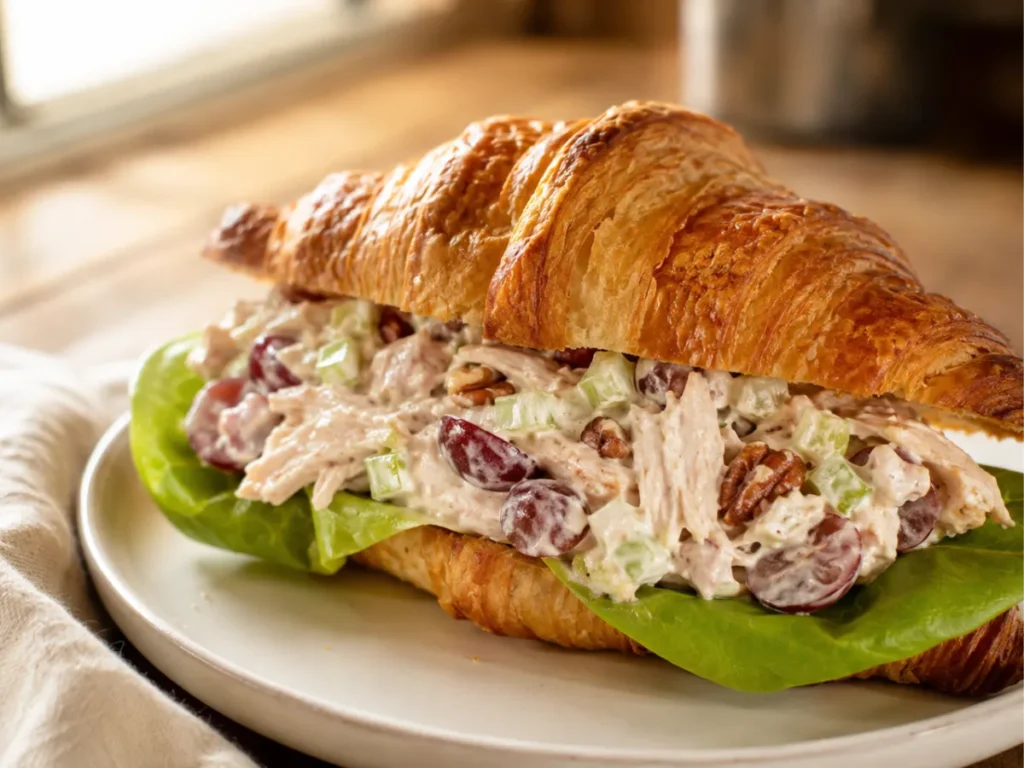
The best vessel for this chicken salad, full stop. A buttery, flaky croissant holds the filling perfectly, adds richness, and makes the whole thing feel like a proper bakery lunch. Slice the croissant in half, add a leaf of butter lettuce, pile on the chicken salad, and close it up. It’s genuinely one of the best sandwiches you can make at home.
Sandwich Bread or Brioche
For a classic chicken salad sandwich, sliced white bread or brioche are both excellent. Brioche adds a subtle sweetness that plays nicely with the grapes. Toasting the bread lightly prevents it from going soggy from the dressing.
Lettuce Wraps
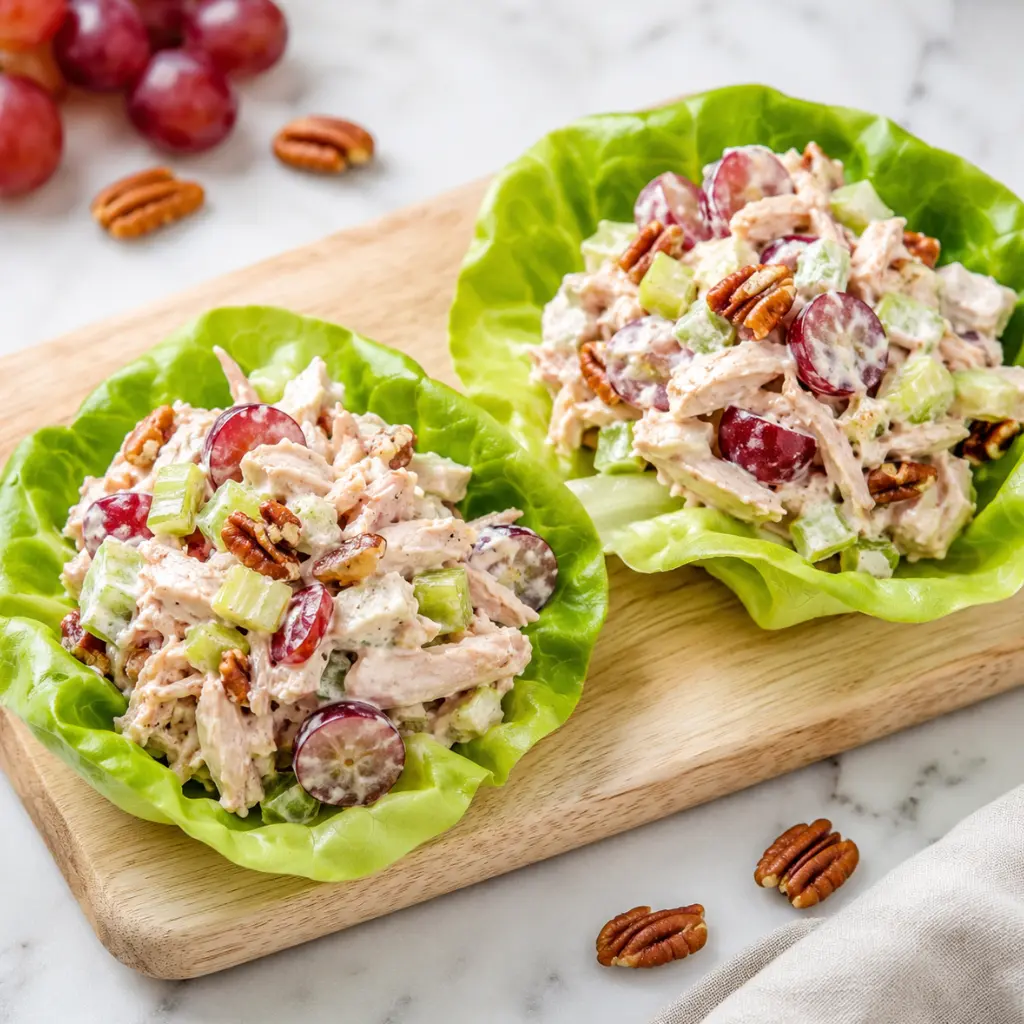
Large butter lettuce leaves make perfect low-carb cups for the chicken salad. The cool, crisp lettuce is a great contrast to the creamy filling, and the whole thing feels light and fresh. This is my go-to option when I want a satisfying lunch without the bread.
Crackers or Chips
Served as a dip with sturdy crackers or pita chips, this chicken salad works beautifully as a party appetizer or snack board component. Use a good quality cracker that can hold up to the weight of the salad without breaking immediately.
Salad Greens
Spoon the chicken salad over a bed of arugula, mixed greens, or butter lettuce for a complete salad bowl. A drizzle of lemon juice and a few extra pecans on top finishes it nicely. This turns the recipe into a light, satisfying lunch plate.
Potluck Side Dishes
Chicken salad croissants alongside a few cold side dishes is one of the most crowd-pleasing potluck spreads you can put together. For another cold potluck side that pairs perfectly, serve it with this classic pea salad recipe. For a lighter lunch plate, try it alongside this spring salad recipe. And for BBQs or parties, this cowboy caviar recipe also works beautifully beside a platter of chicken salad sandwiches.
Make-Ahead Tips
This is one of the best make-ahead lunches you can have in your weekly rotation. Here’s a simple timeline that takes all the stress out of it.
2–3 days ahead: Cook, shred, and store the chicken in an airtight container in the refrigerator.
1 day ahead: Chop the celery and onion and store them in a separate container. These hold well overnight without losing texture.
Night before or same day: Wash and halve the grapes. Grapes are best cut the night before at the earliest — they hold their texture well but can release a little juice if cut too far in advance.
Up to 24 hours ahead: Mix the full salad — chicken, grapes, celery, onion, and dressing — and refrigerate covered. The flavors develop beautifully overnight and the salad tastes genuinely better the next day.
Right before serving: Add the toasted nuts. This is the one thing you should never do ahead of time. Nuts that sit in the dressed salad absorb moisture and lose their crunch. Add them at the last possible moment. Also taste the salad again after chilling and adjust seasoning as needed.
How to Store Chicken Salad With Grapes Safely
Store any leftover chicken salad in an airtight container in the refrigerator. At its best within 3–4 days, though the texture of the grapes will soften slightly over time as they release juice into the dressing. Give it a gentle stir before serving again and taste for seasoning.
Never leave chicken salad out at room temperature for more than 2 hours — or 1 hour if the ambient temperature is above 90°F. Since this recipe uses cooked chicken and a mayo or dairy-based dressing, it falls squarely into the category of perishable foods that require careful temperature management. If you’re bringing it to a potluck or outdoor event, keep it in a cooler with ice packs and serve it cold. Follow the official food safety steps for cleaning, chilling, and handling ready-to-eat foods safely.
Do not freeze this salad. Grapes become mushy and watery when frozen and thawed, and the mayonnaise or yogurt dressing will separate into an unpleasant, grainy texture. This is a refrigerator-only dish — fortunately, it keeps well for several days so freezing is never necessary.
Common Mistakes to Avoid
Using Wet Grapes
Wet grapes are the single biggest cause of a watery chicken salad. After washing, always dry them completely on a kitchen towel before cutting and mixing. It adds two minutes and makes a significant difference in the final texture of the salad.
Not Draining Canned Chicken
If you’re using canned chicken, this step is not optional. Drain it in a strainer, then press firmly with the back of a spoon to force out as much liquid as possible. Then press again. Excess liquid from canned chicken goes directly into your dressing and thins it immediately — it cannot be fixed after the fact.
Adding Too Much Dressing
It’s tempting to go heavy on the dressing, but more is not better here. Start with slightly less than you think you need, mix, and assess. A salad that chills for an hour with the right amount of dressing will taste better than an overdressed one right out of the bowl. You can always add a spoonful more before serving.
Skipping the Chill Time
Chicken salad served immediately after mixing tastes fine. Chicken salad served after 30–60 minutes of chilling tastes noticeably better. The chicken absorbs the dressing, the flavors develop and round out, and the texture firms up in a way that makes the whole salad feel more cohesive. Don’t skip it.
Forgetting to Taste After Chilling
Cold temperatures mute flavor perception. What tasted perfectly seasoned at room temperature may need more salt, a squeeze of lemon, or a bit more Dijon once it’s been in the fridge for an hour. Always taste again right before serving and adjust accordingly.
Adding Nuts Too Early
This is the most common mistake I see — and it’s easy to avoid. Nuts that sit in a dressed salad for any significant amount of time absorb moisture and lose their crunch entirely. Add the toasted pecans or walnuts right before carrying the bowl to the table.
Chicken Salad With Grapes Recipe Card
Chicken Salad With Grapes Recipe

Equipment
- Large Mixing Bowl
- Rubber spatula
- Two forks (for shredding chicken)
- Sharp paring knife
- Cutting board
- Whisk
- Measuring Cups and Spoons
- Airtight container (for storage)
Ingredients
For the Salad
- 3 cups cooked shredded chicken about 1 pound — rotisserie chicken is fastest; see article for canned, poached, and grilled options
- 1.5 cups seedless grapes, halved red, green, or a mix — use firm, fresh grapes only; halve lengthwise
- 2 celery stalks, finely diced about ¼-inch pieces; save any celery leaves to stir into the dressing
- 3 green onions, thinly sliced or substitute ¼ cup finely diced red onion, soaked in cold water for 10 minutes to mellow the sharpness
- 0.5 cup chopped pecans or walnuts, toasted toast in a dry skillet 3–4 minutes over medium heat; add right before serving for maximum crunch
For the Dressing
- 0.5 cup mayonnaise full-fat; or substitute half mayo, half plain full-fat Greek yogurt for a lighter version
- 1 tsp Dijon mustard
- 1 tbsp fresh lemon juice about half a lemon; brightens the dressing and keeps it from tasting flat
- salt and black pepper to taste — if using rotisserie chicken, go light on salt as it is already seasoned
- 1 tbsp fresh parsley or dill, chopped optional but recommended for freshness
- 1 pinch dried ginger optional — a very small pinch adds subtle warmth that elevates the whole dressing
Instructions
- Prep the chicken. Shred the cooked chicken using two forks, pulling it into pieces while still warm if possible — warm chicken shreds more cleanly and absorbs the dressing better than cold chicken. If using canned chicken, drain it extremely well and press out all excess liquid before flaking. Allow any hot chicken to cool completely before mixing so it does not melt the dressing.
- Wash, dry, and halve the grapes. Rinse the grapes under cool water, then spread them on a clean kitchen towel and pat completely dry. This step is critical — any surface moisture will thin the dressing over time. Once dry, halve each grape lengthwise and set aside.
- Prep the remaining ingredients. Dice the celery into small, even ¼-inch pieces. Thinly slice the green onions. Roughly chop the pecans or walnuts to about pea-size pieces. If toasting the nuts, do it now in a dry skillet over medium heat for 3–4 minutes until fragrant, then set aside to cool.
- Make the dressing. In a large mixing bowl, whisk together the mayonnaise, Dijon mustard, fresh lemon juice, salt, black pepper, and dried ginger if using. Stir in the fresh parsley or dill. Taste the dressing before adding anything else — it should be creamy, slightly tangy, and well-seasoned. It is much easier to adjust flavor at this stage than after the chicken and grapes are in the bowl.
- Fold everything together. Add the shredded chicken, halved grapes, diced celery, and green onions to the bowl with the dressing. Using a large rubber spatula, gently fold everything together with slow, sweeping folds until every piece is evenly coated. Do not stir aggressively — you want the grapes to remain whole and intact. Hold the toasted nuts for now.
- Chill the salad. Cover the bowl tightly with plastic wrap and refrigerate for at least 30–60 minutes before serving. This step is important — the chicken absorbs the dressing, the flavors develop, and the texture firms up. Overnight chilling produces an even better result.
- Taste, add nuts, and serve. After chilling, taste the salad again and adjust salt, lemon juice, or Dijon as needed — cold temperatures mute flavor and the salad may need a small adjustment. Add the toasted pecans or walnuts right before serving. Pile onto croissants, sandwich bread, or lettuce wraps and enjoy immediately.
Notes
- Rotisserie chicken tip: One store-bought rotisserie chicken yields plenty of meat for this recipe. It is already seasoned, so taste before adding extra salt to avoid over-seasoning the finished salad.
- Canned chicken tip: Drain extremely well — press in the strainer, then press again. Any remaining liquid goes straight into the dressing and thins it immediately.
- Dry the grapes completely. Even a small amount of surface moisture will make the salad watery over time. Always pat dry before halving.
- Add nuts right before serving. Nuts stored in the dressed salad absorb moisture and lose their crunch. Add them at the absolute last moment for the texture they are meant to provide.
- Taste after chilling. Cold salads often need a small boost of salt, lemon, or Dijon after refrigeration. Always taste again before serving.
- Lighter version: Replace half or all of the mayo with plain full-fat Greek yogurt for a higher-protein, tangier dressing with less fat.
- No-mayo version: Use entirely plain Greek yogurt, sour cream, or mashed ripe avocado as the dressing base.
- Storage: Store in an airtight container in the refrigerator for up to 3–4 days. Keep toasted nuts stored separately and add fresh each time you serve. Do not freeze — grapes become mushy and the dressing separates after thawing.
- Make-ahead timeline: Shred chicken 2–3 days ahead. Chop celery and onion 1 day ahead. Wash and halve grapes the night before. Mix the full salad up to 24 hours ahead. Add nuts right before serving.
For the dressing:
Frequently Asked Questions
What are the ingredients for chicken salad with grapes?
The classic chicken salad with grapes recipe uses cooked shredded chicken, seedless grapes (halved), diced celery, green or red onion, mayonnaise (or Greek yogurt), Dijon mustard, fresh lemon juice, salt, pepper, and chopped pecans or walnuts. Fresh herbs like parsley or dill are optional but add a lovely finish.
What are the 4 basic ingredients in chicken salad?
The four core components of any classic chicken salad are cooked chicken, a creamy dressing, a crunchy vegetable like celery, and seasoning. In this version, the grapes are the defining sweet add-in that sets it apart from a standard chicken salad. Together those five elements — chicken, dressing, celery, seasoning, and grapes — produce the iconic sweet-savory flavor combination everyone loves.
What is a secret ingredient for chicken salad?
The most impactful secret ingredient is a tiny pinch of dried ginger stirred into the dressing. It adds a subtle warmth and complexity that most people can taste but can’t quite identify. Beyond that, Dijon mustard adds depth, fresh lemon juice adds brightness, and celery leaves stirred in with the dressing add an herbal quality that elevates the whole salad.
Can I use rotisserie chicken?
Absolutely — it’s my personal first choice and one of the best shortcuts in this recipe. Shred the breast and thigh meat while the chicken is still warm, and the salad comes together in under 15 minutes. Just remember that rotisserie chicken is already seasoned and often quite salty, so taste the finished salad before adding any extra salt.
Can I use canned chicken?
Yes. Canned chicken makes a perfectly good, budget-friendly version of this recipe. The most important step is draining the chicken extremely well — press all the liquid out in the strainer before flaking the meat. Any remaining liquid will thin your dressing and make the salad watery. Once properly drained and flaked, canned chicken blends smoothly into the dressing and the finished salad tastes much better than you’d expect.
Should I shred or chop the chicken?
Shredded chicken is my preference for this recipe because it catches the dressing in every crevice and holds together well in sandwiches and croissants. Chopped chicken works if you prefer a chunkier, deli-style texture. For the creamiest, most cohesive result — especially if you’re serving on croissants — go with shredded.
Should grapes be cut in half?
Yes, always. Halved grapes distribute more evenly through the salad so every bite has that sweet, juicy flavor. They’re also much easier to eat in sandwiches and wraps than whole grapes, which tend to roll and take over individual bites. Cut them lengthwise for the best shape.
Can I use green grapes?
Yes. Green grapes work beautifully — they’re slightly tarter and crispier than red grapes, which gives the salad a brighter, more refreshing flavor. A mix of red and green gives you the best balance of sweetness and tang, plus a beautiful color contrast in the bowl.
What nuts go best with chicken salad and grapes?
Pecans are the classic choice — buttery, rich, and traditionally Southern. Walnuts work just as well with a more earthy flavor. Sliced toasted almonds are a great lighter option. For a nut-free version, roasted sunflower seeds or pumpkin seeds provide crunch without any allergen concerns.
Can I make chicken salad with grapes without mayo?
Yes. Plain full-fat Greek yogurt is the best substitute — it gives a similar creaminess with added protein and a tangier flavor. Sour cream works too, though it produces a softer dressing. For a dairy-free option, mashed ripe avocado makes a rich, creamy base with a completely different but delicious flavor.
How long does chicken salad with grapes last in the fridge?
Stored in an airtight container in the refrigerator, chicken salad with grapes keeps well for 3–4 days. The grapes will release a little juice over time, which can thin the dressing slightly — give it a gentle stir before serving. Store the nuts separately to keep them crunchy.
Can you freeze chicken salad with grapes?
No. Freezing is not recommended. Grapes become mushy and watery when frozen and thawed, and the mayo or yogurt-based dressing will separate and turn grainy. This is a refrigerator-only dish and keeps well for several days, so freezing is never necessary.
What goes with chicken salad with grapes?
The classic serving is on a buttery croissant — it’s one of the most satisfying lunch sandwiches you can make at home. Beyond that, it’s excellent on sandwich bread, in lettuce wraps, scooped onto crackers, or served over salad greens. For cold side dishes at a potluck or BBQ, it pairs beautifully with a classic pea salad, a fresh spring salad, or a bowl of cowboy caviar.
Recipe by Chef Linda | Times Recipes — Easy & Delicious Recipes for Every Meal of the Day
Made this recipe? I’d love to hear how it turned out — leave a star rating and a comment below! And if you enjoyed it, you might also love my grape salad recipe as a sweet, crowd-pleasing potluck side.