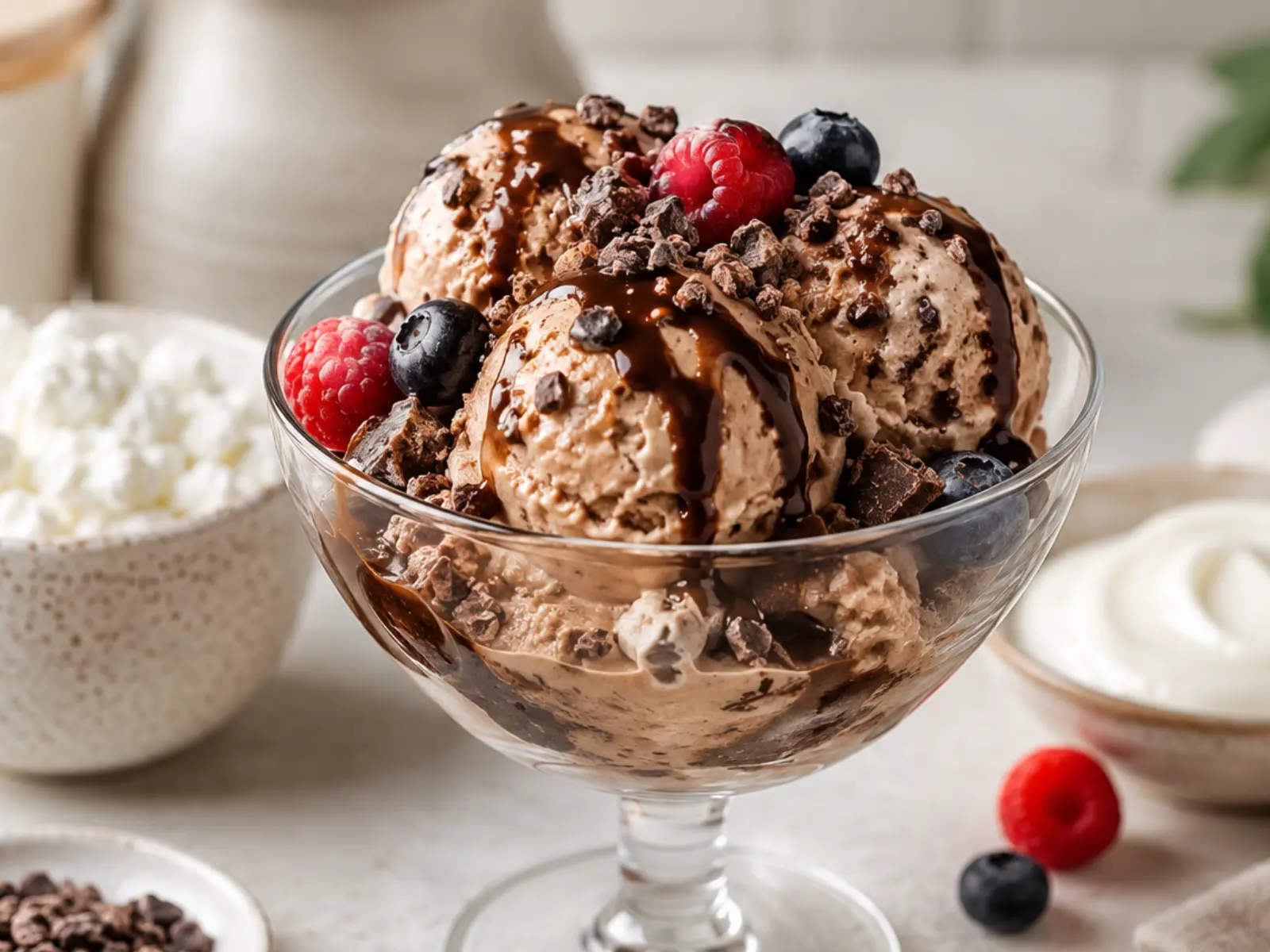
Some nights, I want my dessert to do a little extra work — to be creamy and satisfying and give me a hit of protein after a long day. That’s exactly what this frozen treat delivers: a cold, sweet treat with the staying power of a real snack, made at home for a fraction of the cost and sugar of a store-bought pint.
Here’s the part most recipes won’t tell you: you don’t need protein powder, and you don’t need a fancy machine. I’ve made high protein ice cream every way there is — with cottage cheese, Greek yogurt, protein powder, in a Ninja Creami, and as a simple no-churn batch in a loaf pan — so in this guide I’ll show you what actually works, which protein base tastes best, and how to make it with whatever you’ve got. Plus all my favorite flavors, the honest nutrition, and answers to the questions everyone asks.
Table of Contents
Is High Protein Ice Cream Healthy?
In most ways, yes — it’s a more balanced treat than the regular kind. Because it swaps some of the cream and sugar for a protein-rich base, it’s typically higher in protein and lower in sugar and fat than traditional ice cream, and when you make it at home you control exactly what goes in.
That said, let me be straight with you, because nuance matters. Most people already get plenty of protein in a day, so you don’t need to add more dessert protein to be healthy. Where it really shines is as a smarter version of a treat you’re going to enjoy anyway: more filling, less sugar, and no mystery ingredients. If you’re active, watching your sugar, or just want a dessert that doesn’t leave you hungry an hour later, it’s a genuinely good swap. For more on protein and balanced eating, the USDA’s nutrition resources are a solid reference. (This is general information, not medical advice — if you have specific dietary needs, check with your doctor or a dietitian.)
High Protein Ice Cream vs Store-Bought
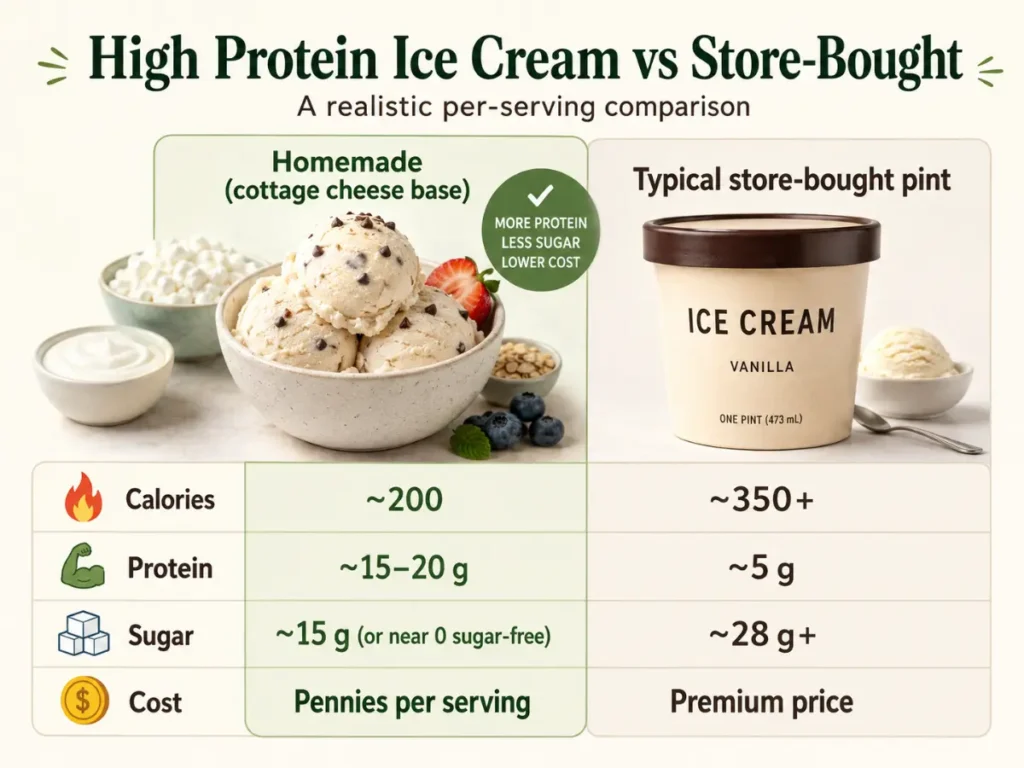
The biggest argument for making your own is what you get per serving. Even the popular “light” pints are usually higher in sugar and far lower in protein than a homemade batch. Here’s a realistic comparison:
| Per serving | Homemade (cottage cheese base) | Typical store-bought pint |
|---|---|---|
| Calories | ~200 | ~350+ |
| Protein | ~15–20 g | ~5 g |
| Sugar | ~15 g (or near 0 sugar-free) | ~28 g+ |
| Cost | Pennies per serving | Premium price |
The homemade version wins on protein, sugar, cost, and control — and honestly, it tastes fresher too. Once you see how easy it is, the store-bought tubs lose their appeal fast.
What’s the Best Protein for Ice Cream?
This is the question that actually determines how your ice cream turns out — and it’s the one most recipes skip. You’ve got a few good options, and they’re not equal. Here’s my honest take after testing all of them.
Cottage cheese is my top pick, and the secret to high protein ice cream without protein powder. Blended completely smooth, it turns into a thick, creamy base with no lumps and no chalkiness — just a gentle tang that disappears under any flavor. It’s a whole food, it’s loaded with protein, and you’d never guess it was in there. This is the base behind my whole cottage cheese ice cream collection.
Greek yogurt is another excellent no-powder option — creamy, tangy, and high in protein. It freezes a touch firmer, so it does best with a little cream or a stir or two as it freezes.
Protein powder (whey, casein, or plant) packs the most protein per scoop, but it comes with a catch: some powders taste chalky or beany, and the wrong one can wreck an otherwise great batch. If you go this route, use a brand you genuinely like the taste of, and blend it with milk or cream to smooth it out.
Here’s the quick comparison:
| Protein base | Protein | Taste & texture | Needs powder? |
|---|---|---|---|
| Cottage cheese | High | Creamy, neutral when blended | No |
| Greek yogurt | High | Creamy, slightly tangy | No |
| Whey / casein powder | Highest | Can be chalky | Yes |
| Plant powder | High | Varies by brand | Yes |
You can also combine them — a cottage cheese base with a single scoop of powder gives you extra protein with better texture than powder alone. But if you want the easiest, most foolproof results, start with cottage cheese.
How to Make High Protein Ice Cream (3 Easy Methods)
There’s no single right way to do this, which is the good news — you can make it with whatever equipment you have (or none at all). Here are the three methods I use, including the two the big recipe sites usually ignore: without a machine, and without protein powder.
No-Churn (No Machine, No Protein Powder)
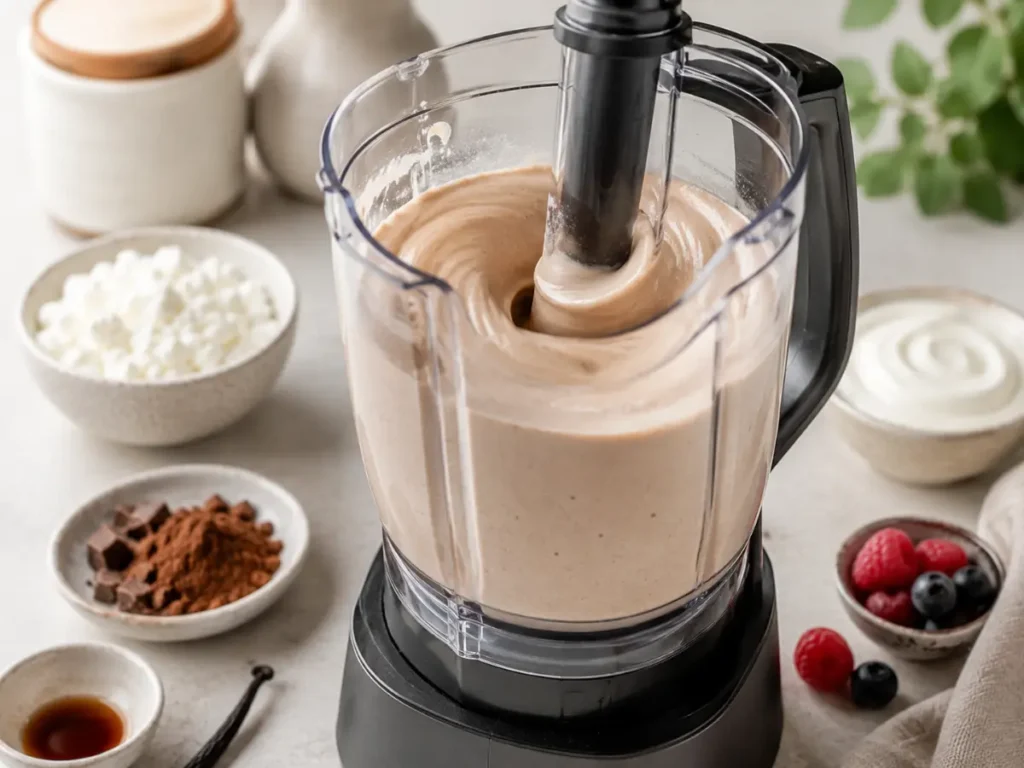
This is the one I reach for most. Blend your base — cottage cheese or Greek yogurt, a sweetener, vanilla, and your flavor — until completely smooth, pour it into a loaf pan, and freeze, stirring once or twice in the first hour to keep it creamy. No machine, no powder, no fuss. If you’re new to no-churn, my guide on how to make ice cream without a machine walks through the basics.
Ninja Creami Method
If you have a Ninja Creami, it makes the creamiest version of all. Blend the base, freeze it flat in a Creami pint for 24 hours, then spin it — add a splash of milk and re-spin if it looks crumbly. It’s the closest thing to scoop-shop texture at home. See my Ninja Creami cottage cheese ice cream for the full method, plus more ideas in my Ninja Creami recipes.
Mason Jar Shake (Quick & Single-Serve)
Want just one serving, fast? Add your base, a little milk, and sweetener to a jar, seal it tight, and shake hard until thickened, then freeze for a few hours. It’s the lowest-effort way to a single creamy scoop, no equipment required.
Whichever method you choose, the base recipe below works for all three — start there, then take it any direction you like.
High Protein Ice Cream Flavors & Recipes
The base is just the beginning. Here are my favorite high protein ice cream flavors, each with a full recipe to follow:
- Classic — the original creamy base: cottage cheese ice cream
- Chocolate — rich and fudgy: chocolate cottage cheese ice cream
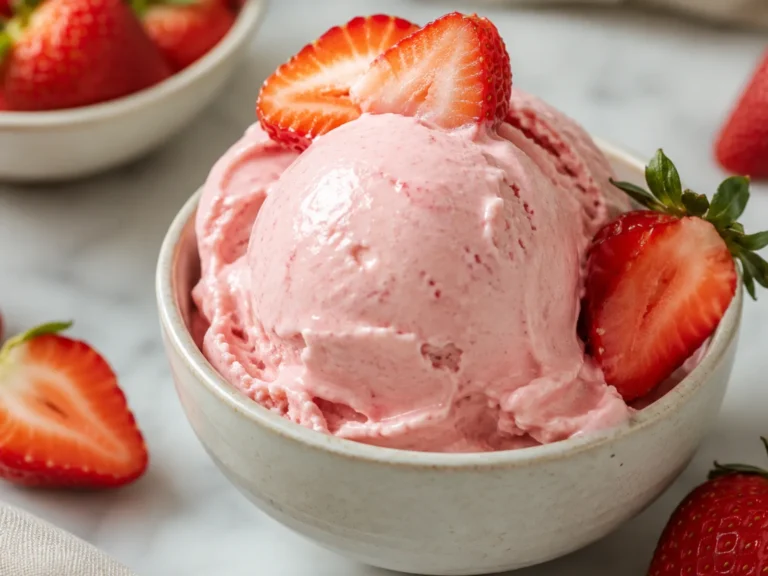
- Strawberry — fruity and fresh, tastes like cheesecake: strawberry cottage cheese ice cream
- Keto / Low-Sugar — sugar-free and low-carb: keto cottage cheese ice cream
- Ninja Creami — the creamiest version: Ninja Creami cottage cheese ice cream
- Pistachio — nutty and naturally green: high protein pistachio ice cream
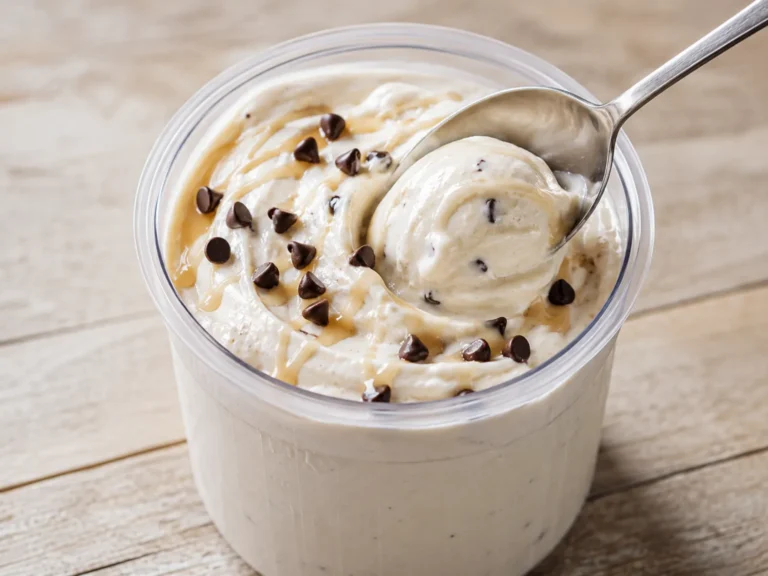
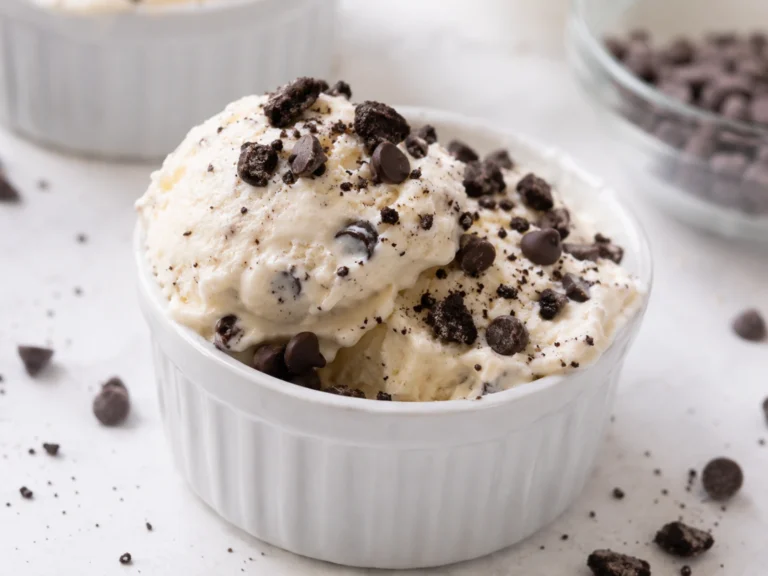
Want to invent your own? A few easy flavor add-ins for any base: cocoa powder for chocolate, instant espresso for coffee, a spoon of peanut butter, mashed banana, a handful of berries, or mini chocolate chips. The high protein base takes on flavor beautifully, so don’t be afraid to experiment.
Tips for Creamy High Protein Ice Cream
A few things I’ve learned that make the difference between creamy and icy:
- Blend until truly smooth. Any leftover curds or grit will show up in the final texture — keep blending until silky.
- Don’t go too lean. A full-fat base, or a small splash of cream, keeps it from freezing rock-hard.
- Sweeten before freezing. Freezing dulls sweetness, so taste and adjust the base first. Use a sugar-free sweetener for a low-calorie or keto version.
- Stir as it freezes (for no-churn) to break up ice crystals.
- Soften before scooping — let it sit out a few minutes, since protein-rich bases firm up more than regular ice cream.
- Pick a protein powder you like if you use one — the chalky ones don’t get better once frozen.
Is High Protein Ice Cream Good for Diabetics?
A homemade batch that’s lower in sugar — especially a sugar-free version — is generally gentler on blood sugar than regular ice cream, thanks to less sugar and more protein to slow the rise. That makes it a reasonable choice for many people watching their blood sugar, particularly when you use a sugar-free sweetener and keep portions sensible.
That said, everyone’s body responds differently, and ingredients and serving sizes matter, so treat this as general guidance rather than a medical promise. If you’d like a ready-made low-sugar option, my keto cottage cheese ice cream is built to be sugar-free and low-carb.
How to Store It
Keep your ice cream in an airtight container in the freezer. It’s creamiest within the first week or two, and because protein-rich bases set firm, let it soften for several minutes before scooping. For another quick frozen treat, try my 2-ingredient ice cream.
Frequently Asked Questions
Is high protein ice cream healthy?
Generally yes — it’s usually higher in protein and lower in sugar and fat than regular ice cream, especially homemade where you control the ingredients. Most people already get enough protein, so think of it as a smarter version of a treat rather than a health requirement.
How do I make high protein ice cream?
Blend a protein-rich base (cottage cheese, Greek yogurt, or protein powder with milk) with a sweetener and flavoring until smooth, then freeze — either no-churn in a loaf pan, in a Ninja Creami, or shaken in a mason jar. Stir as it freezes for the creamiest result.
What is the best protein for ice cream?
Cottage cheese is my top pick — it blends creamy with no chalkiness and needs no protein powder. Greek yogurt is another great whole-food option. Protein powder gives the most protein but can taste chalky, so choose one you like.
Is high protein ice cream good for diabetics?
A lower-sugar, higher-protein homemade version (especially sugar-free) is generally gentler on blood sugar than regular ice cream, but portions and ingredients matter. It’s general guidance, not medical advice — check with your doctor for your situation.
Can I make high protein ice cream without protein powder?
Absolutely. Cottage cheese or Greek yogurt makes a creamy, high-protein base with no powder at all — it’s the method I recommend most, and it’s what all my cottage cheese ice cream recipes use.
Can I make high protein ice cream without a Ninja Creami?
Yes — the no-churn method just needs a blender and a freezer. The Creami makes it extra creamy, but you don’t need one for a great result.
Is regular ice cream high in protein?
Not really — standard ice cream has only a few grams of protein per serving. That’s exactly why making your own with a protein-rich base is worth it: you can easily triple or quadruple the protein.
More High Protein Treats to Try
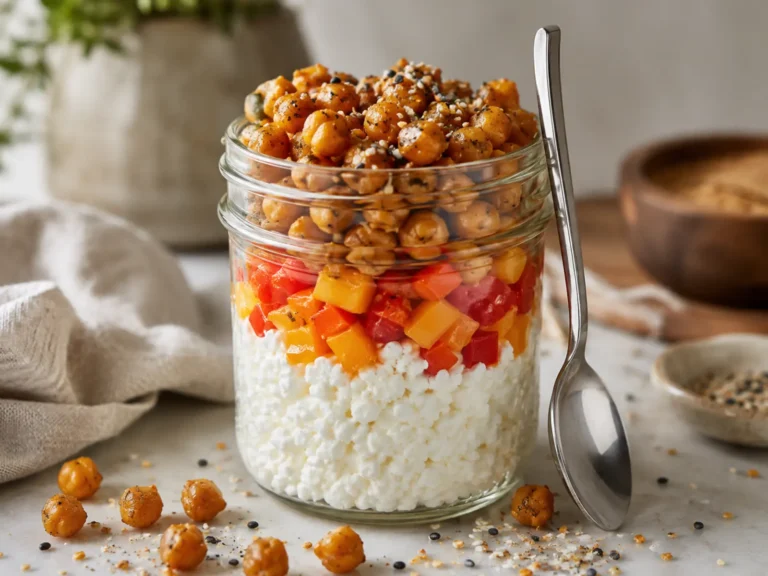
If you love a protein-packed snack, you’ll like these too: my chocolate yogurt bark, an easy cottage cheese snack jar, and protein-rich high protein Greek yogurt muffins.
However you make it, high protein ice cream proves a treat can be creamy, satisfying, and genuinely good for you all at once. Start with the base, pick your favorite method and flavor, and you’ll never look at a store-bought pint the same way. Grab a spoon and make a batch — then tell me which flavor you tried first. 🍦💪
High Protein Ice Cream

Equipment
- Blender or food processor
- Loaf pan or freezer-safe container
Ingredients
Base
- 2 cups full-fat cottage cheese about 16 oz; or substitute Greek yogurt
- 3 tbsp honey or maple syrup; to taste
- 1 tsp vanilla extract
- 1 pinch salt
Optional
- 2 tbsp heavy cream for extra creaminess
- 1 scoop protein powder for an extra protein boost
Instructions
- Add the cottage cheese, honey, vanilla, and salt (plus the cream or protein powder, if using) to a blender or food processor. Blend until completely smooth, scraping down the sides so no curds remain.
- Stir in any flavorings or mix-ins you like — cocoa powder, espresso, peanut butter, fruit, or chocolate chips. Taste and adjust the sweetness before freezing, since freezing dulls sweetness slightly.
- No-churn method: pour into a loaf pan, smooth the top, and freeze for 3 to 4 hours, stirring at the 30-minute and 1-hour marks to keep it creamy.
- Ninja Creami method: pour into a Creami pint, freeze flat for 24 hours, then spin on Lite Ice Cream. Add a splash of milk and re-spin if needed.
- Mason jar method: for a single serving, halve the recipe, shake in a sealed jar until thick, and freeze 2 to 3 hours, shaking once partway.
- Let it sit at room temperature for 10 to 15 minutes before scooping, since protein-rich bases firm up more than regular ice cream.