

Pozole is one of those dishes that feels comforting the moment it hits the table. The broth is rich and deeply flavorful, the pork turns tender as it simmers, and the hominy gives every bowl that classic texture that makes pozole so satisfying. It is hearty enough for a family dinner, special enough for guests, and even better with a generous pile of fresh toppings.
This pozole recipe keeps things simple without losing the flavor that makes the dish so special. It uses pork shoulder, hominy, and dried red chiles to create a warm, comforting soup that tastes like it took far more effort than it really did. If you enjoy bold, cozy meals like beef birria tacos, this pozole recipe brings that same deeply satisfying comfort in soup form. Once you finish it with cabbage, radishes, onion, cilantro, and lime, it becomes the kind of meal everyone remembers.
Table of Contents
What Is Pozole?
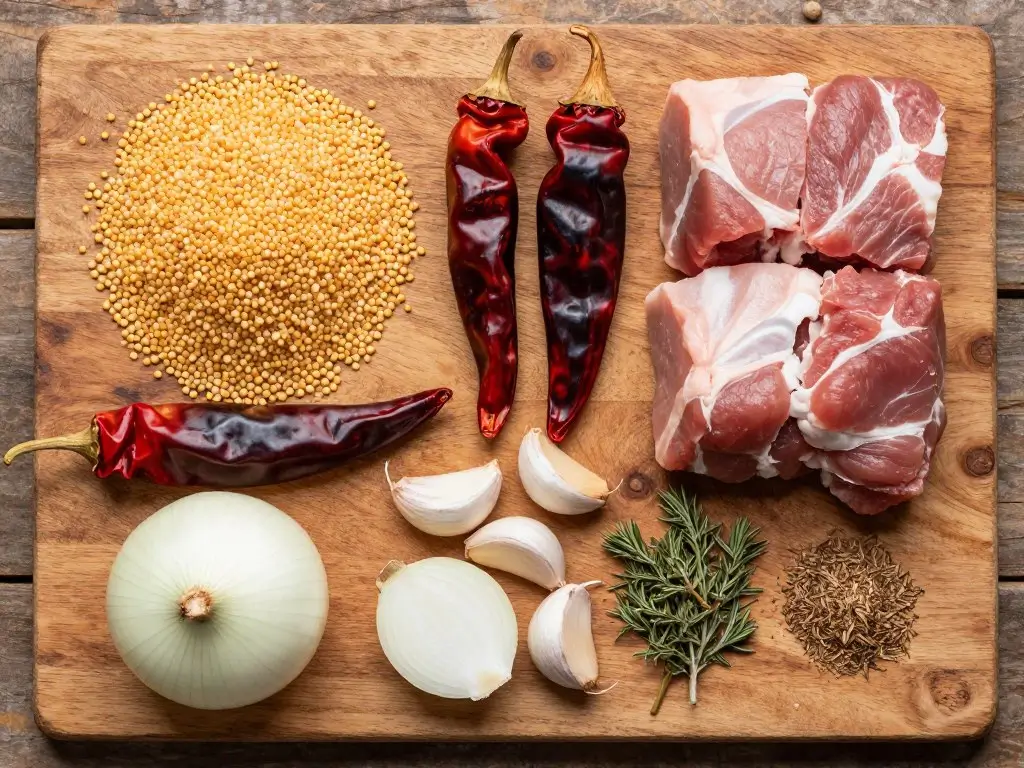
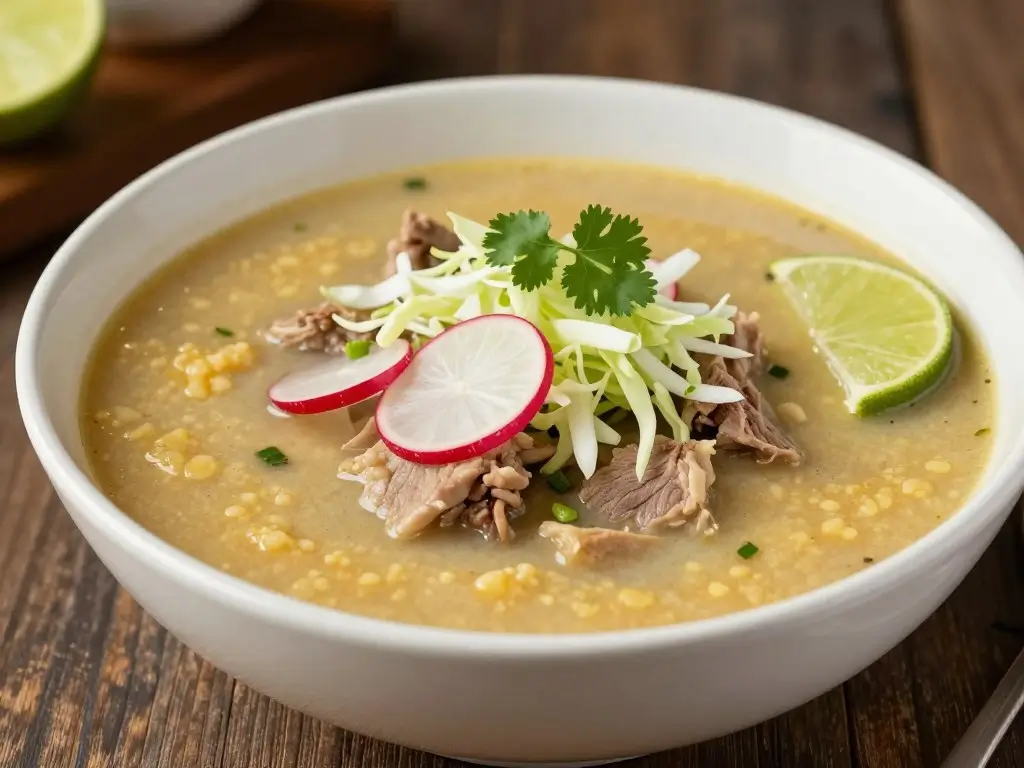
Pozole is a traditional Mexican soup made with hominy and meat, usually pork or chicken. What makes it stand out is the hominy, which is dried corn that has been treated and cooked until it becomes soft, puffy, and slightly chewy. It gives the soup its signature texture and makes it feel heartier than a regular broth-based soup.
There are a few common types of pozole. Pozole rojo is made with red chiles and has a richer, deeper flavor. Pozole verde uses green ingredients like tomatillos, herbs, and green chiles for a fresher taste. Pozole blanco is the simplest version and skips the chile sauce altogether. No matter which version you make, pozole is usually served with fresh toppings that bring contrast, crunch, and brightness to the bowl.
This version is a classic pozole rojo with pork, hominy, and a flavorful red chile broth. It is warm, bold, and deeply comforting without being difficult to make at home.
Why You’ll Love This Pozole Recipe
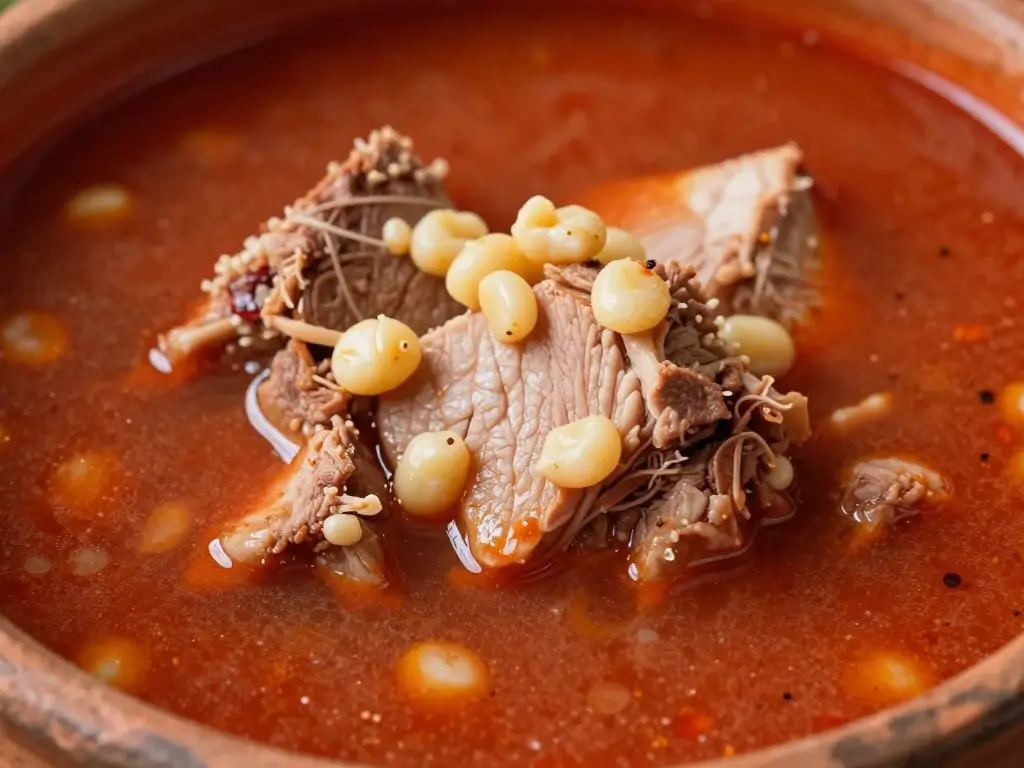
This pozole recipe is the kind of meal that feels both cozy and impressive. The broth tastes rich and layered, the pork becomes fall-apart tender, and the hominy makes each bowl filling and satisfying. It is the sort of recipe that looks special on the table but relies on simple ingredients and straightforward steps.
You will also love how customizable it is. Some people like extra cabbage and radishes for crunch, others want lots of cilantro and lime for brightness, and some prefer a bowl loaded with avocado and tostadas on the side. Everyone can finish it exactly the way they like.
It is also a great make-ahead recipe. Like many soups and stews, pozole often tastes even better the next day after the flavors have had more time to settle together. That makes it perfect for weekends, gatherings, meal prep, or any time you want a dish that gives you something great today and something even better tomorrow.
Quick Recipe Overview
This pozole recipe starts by simmering pork shoulder with onion and garlic until the meat is tender and the broth is full of flavor. While that cooks, dried guajillo and ancho chiles are softened, blended into a smooth sauce, and added to the pot. Then the hominy goes in, and everything simmers together until the broth is rich, balanced, and deeply flavorful.
When it is time to serve, the real magic happens with the toppings. Crisp cabbage, peppery radishes, diced onion, cilantro, and fresh lime give the soup a bright finish that balances the richness of the broth. The contrast of textures is what makes pozole so memorable.
Pozole Ingredients
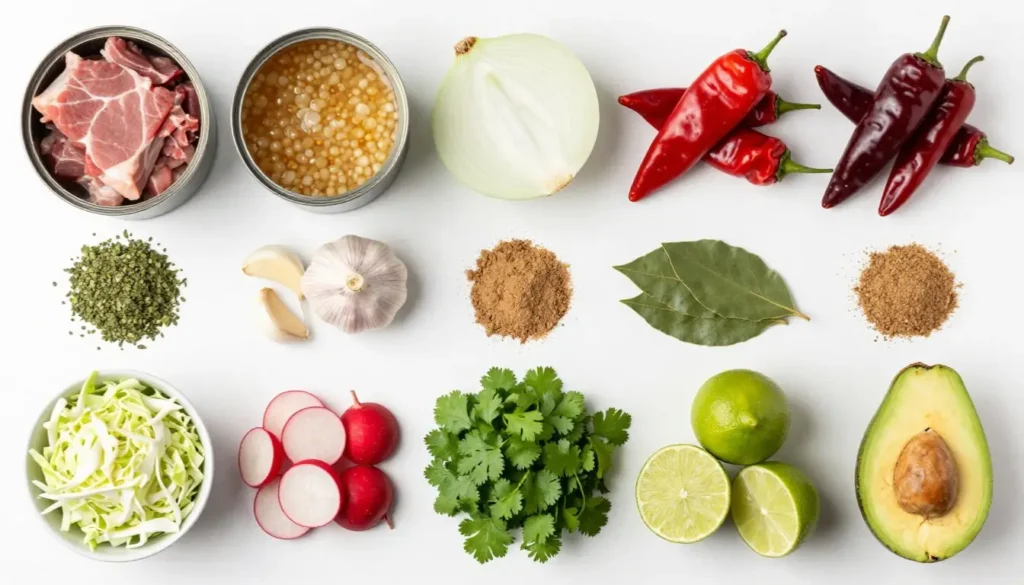
This pozole recipe uses simple ingredients, but each one plays an important role in building flavor.
For the soup
- 2 pounds pork shoulder, cut into large chunks
- 1 large onion, halved
- 4 garlic cloves
- 8 cups water or chicken broth
- 2 cans hominy, drained and rinsed
- 1 teaspoon dried oregano
- Salt, to taste
- Black pepper, to taste
For the red chile sauce
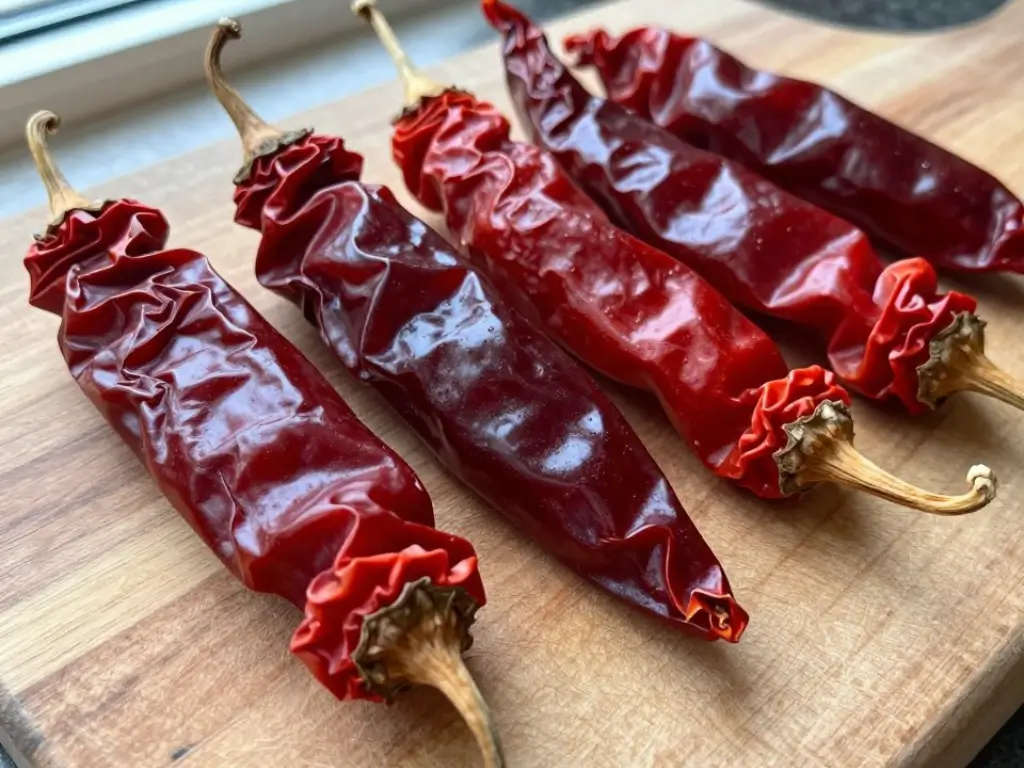
- 3 dried guajillo chiles
- 2 dried ancho chiles
- Hot water, for soaking
For serving
- Shredded green cabbage
- Sliced radishes
- Diced white onion
- Chopped fresh cilantro
- Lime wedges
- Avocado, sliced or diced
- Tostadas or tortilla chips
Pork shoulder is the best choice here because it becomes tender as it cooks and adds richness to the broth. Guajillo chiles bring color and mild fruity depth, while ancho chiles add a slightly earthy, fuller flavor. Hominy is essential because it gives pozole its classic identity and texture.
How to Make Pozole
1. Simmer the pork
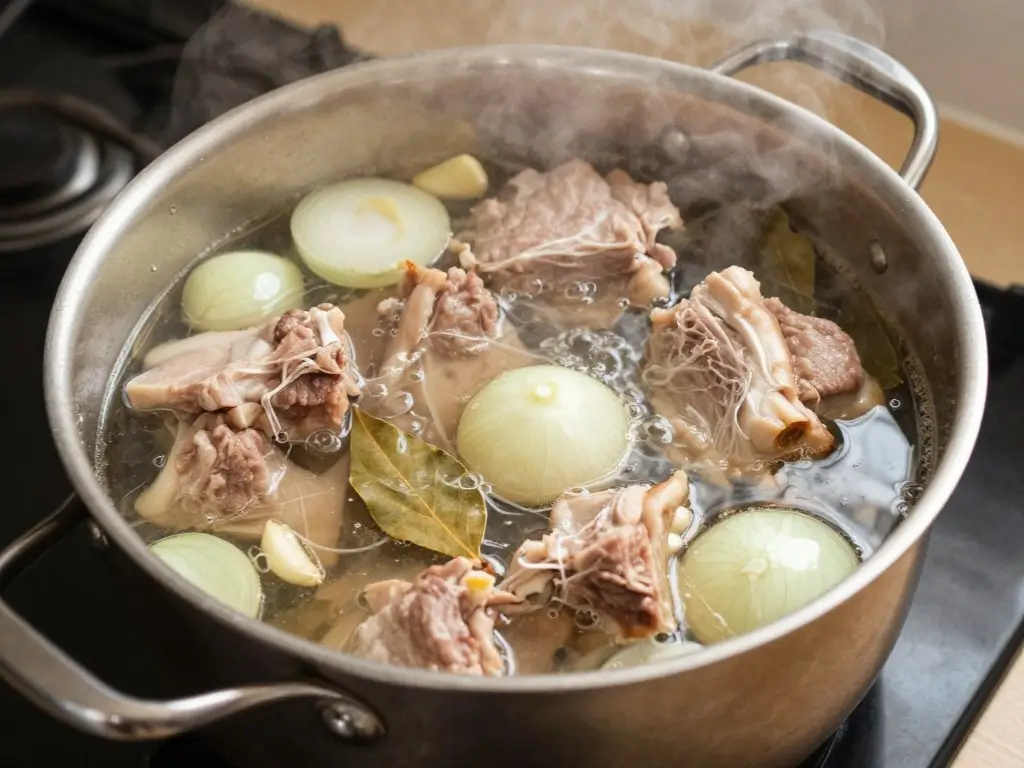
Place the pork shoulder, onion, garlic, and water or broth in a large pot or Dutch oven. Bring everything to a boil over medium-high heat, then reduce the heat to a gentle simmer. As it cooks, skim off any foam that rises to the surface so the broth stays cleaner and more polished.
Let the pork simmer for about 1 1/2 to 2 hours, or until it is tender enough to pull apart easily with a fork. This step builds the foundation of the dish, so it is worth letting it cook slowly.
2. Soften the dried chiles
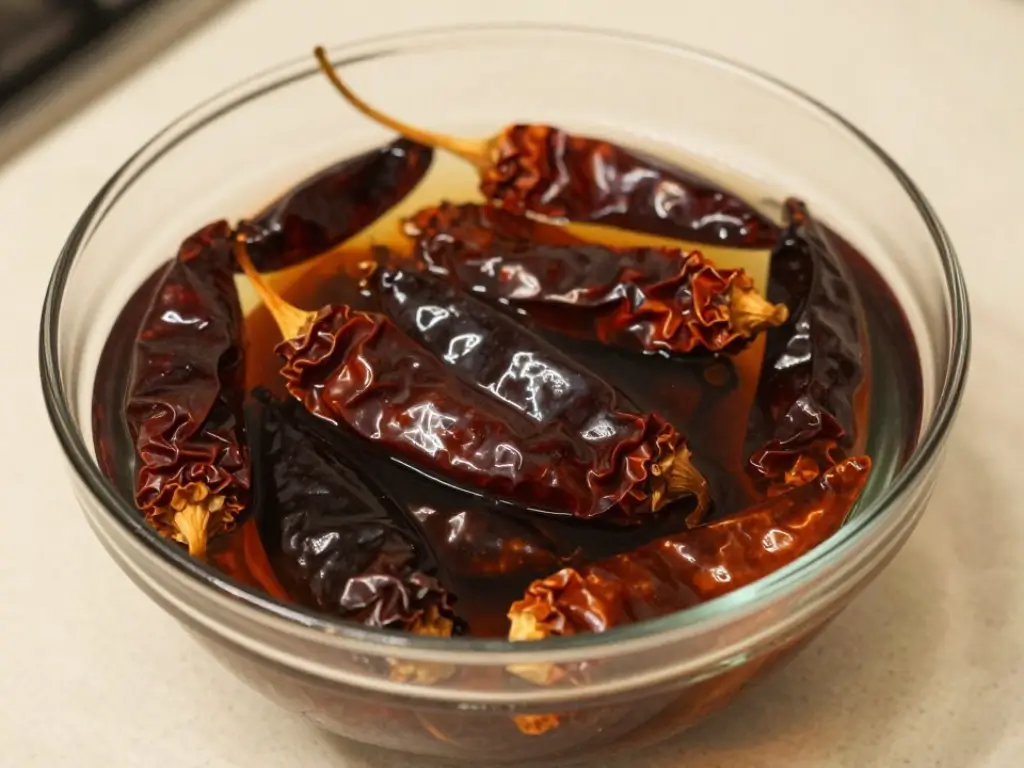
While the pork cooks, remove the stems and seeds from the guajillo and ancho chiles. Place them in a bowl and cover them with hot water. Let them soak for about 15 to 20 minutes, or until they are soft and flexible.
This step helps the chiles blend smoothly and makes it easier to turn them into a sauce that melts into the broth instead of leaving the soup gritty.
3. Blend the chile sauce
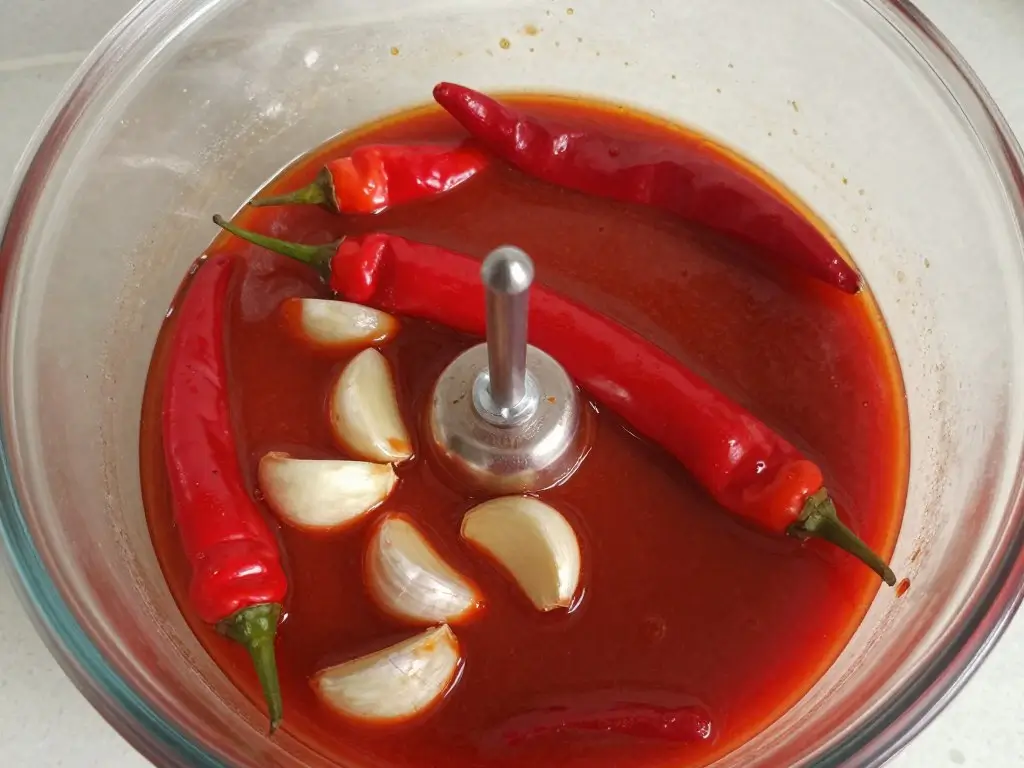
Transfer the softened chiles to a blender with a little of the soaking liquid. Blend until the mixture is smooth. If you want a silkier broth, strain the sauce through a fine mesh sieve before adding it to the pot. That extra step is not hard, but it makes a noticeable difference in texture.
4. Shred or chop the pork
Once the pork is tender, remove it from the pot and set it on a plate or cutting board. You can shred it into bite-sized pieces or chop it into smaller chunks, depending on the texture you prefer. Discard the onion and garlic if you want a smoother soup, or leave some softened onion in the broth for extra flavor.
Return the pork to the pot.
5. Add the chile sauce and hominy
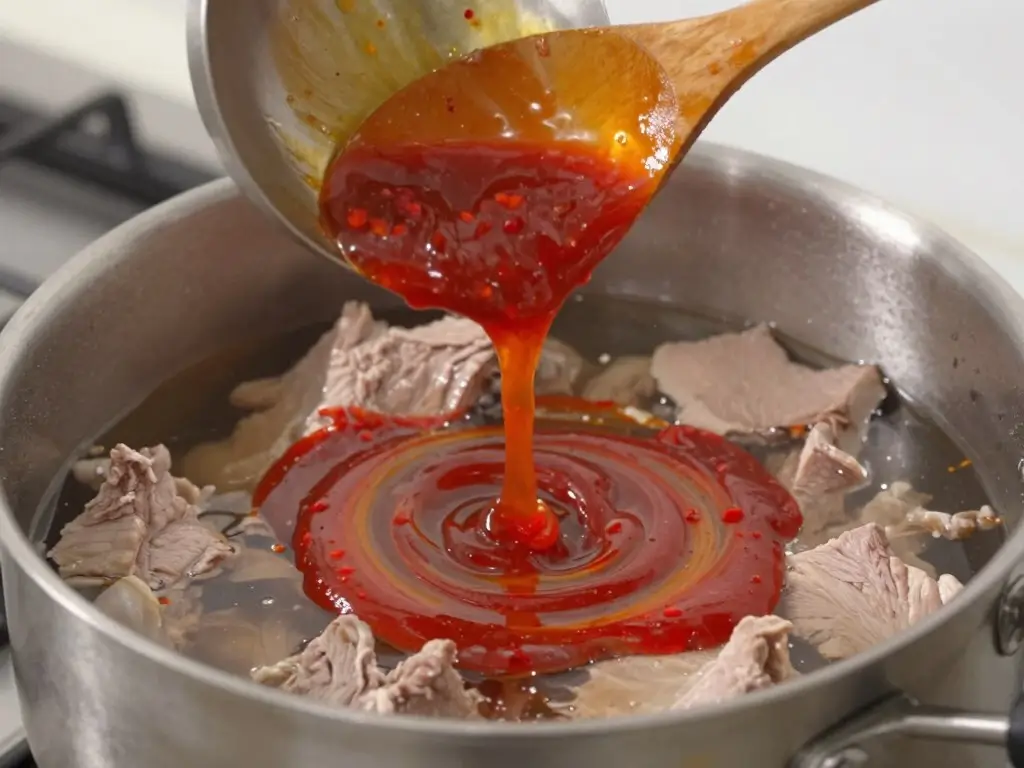
Pour the chile sauce into the broth and stir well. Add the hominy and oregano, then let everything simmer together for another 25 to 30 minutes. This final simmer gives the broth time to absorb the flavor of the chiles and lets the hominy warm through and take on the taste of the soup.
Taste the broth and season with salt and pepper as needed.
6. Serve with toppings
Ladle the pozole into bowls and top with cabbage, radishes, onion, cilantro, lime, and avocado. Serve with tostadas or tortilla chips on the side for crunch.
The contrast between the rich broth and the crisp fresh toppings is what makes a bowl of pozole feel complete.
What Meat Is Best for Pozole?
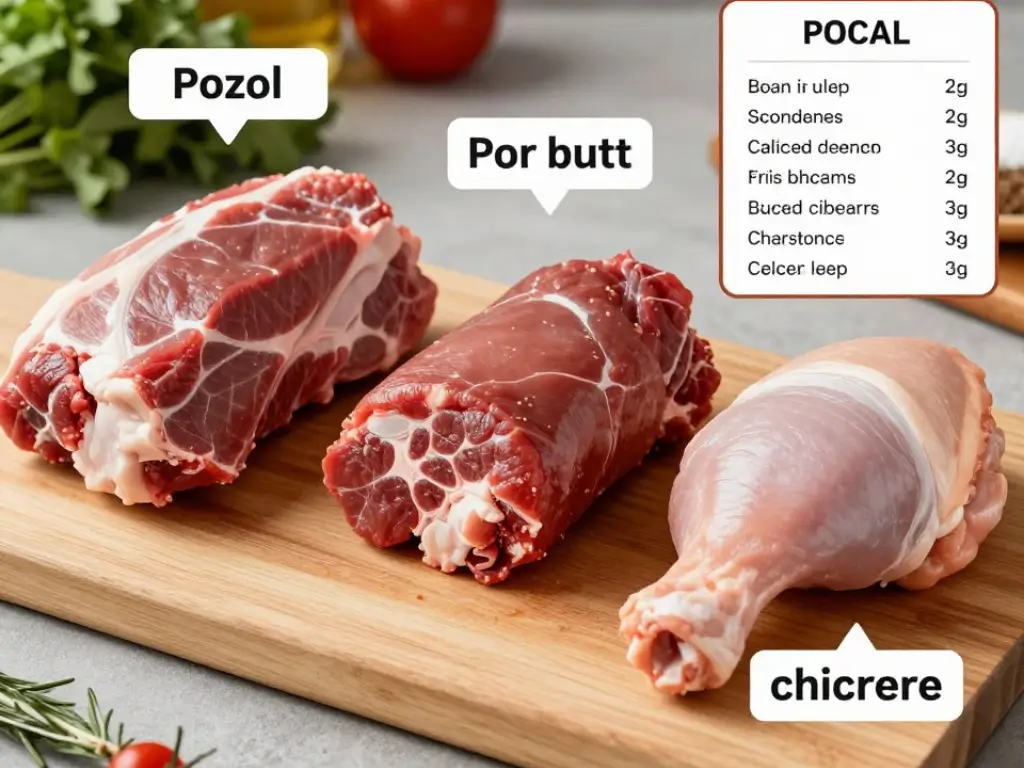
Pork shoulder is the best meat for a traditional pozole recipe. It has enough fat to stay tender during a long simmer, and it gives the broth a deeper, fuller flavor. Pork butt works just as well because it has a similar texture and richness.
Chicken is a popular alternative if you want something lighter. It works especially well in green pozole, but it can also be used here if you prefer. The flavor will be a little less rich than pork, but it still makes a delicious and comforting soup.
Beef is less common in classic pozole. It can be used, but it changes the flavor profile and makes the dish feel heavier. If your goal is the most traditional and balanced result, pork is still the best option.
Tips for the Best Pozole
Give the pork enough time. This is not the kind of soup you want to rush. The longer simmer is what turns the pork tender and helps the broth develop that deep, comforting flavor.
Use dried chiles instead of chili powder. The dried chiles give pozole its distinctive character and create a broth that tastes more authentic, layered, and complex.
Strain the chile sauce if you want a smoother broth. This step is especially helpful if your blender is not very powerful or if you want the finished soup to have a more polished texture.
Taste at the end. The broth may need a little more salt after the hominy and chile sauce are added. It is always best to adjust the seasoning once everything is in the pot.
Do not skip the toppings. Fresh cabbage, radishes, onion, cilantro, and lime are not just extra decoration. They are part of what makes pozole taste balanced and complete.
Make extra if you can. Pozole stores well, reheats beautifully, and often tastes even better the next day.
For extra safety, the USDA recommends cooking pork to a safe minimum internal temperature of 145°F with a 3-minute rest before serving, although pozole typically simmers well beyond that point for tenderness and flavor. USDA Safe Minimum Internal Temperature Chart.
Pozole vs Posole
Pozole and posole are the same dish. The difference is only in the spelling.
“Pozole” is the spelling you will see more often online and in recipe titles, which is why it makes sense to use pozole recipe as the main keyword. “Posole” is also widely used and completely correct. Since people search for both versions, it helps to mention each one naturally in the article.
Pozole Variations
Pozole comes in a few classic forms, and each one has its own flavor and personality.
Pozole rojo
This is the version in this recipe. It is made with red chiles, which give the broth its color and a deeper, richer taste.
Pozole verde
Pozole verde has a brighter, fresher flavor. It often includes tomatillos, cilantro, green chiles, and other herbs. It feels lighter, but it is still full of flavor.
Pozole blanco
Pozole blanco is the simplest version. It skips the chile-based sauce and focuses on the flavor of the broth, meat, and hominy.
Chicken pozole
Chicken pozole is a great option if you want something lighter or faster. It does not have the same richness as pork, but it still delivers a satisfying bowl, especially when paired with plenty of toppings. If you enjoy smoky chicken dinners, you can also try this chipotle chicken recipe for another flavorful meal idea.
What to Serve With Pozole
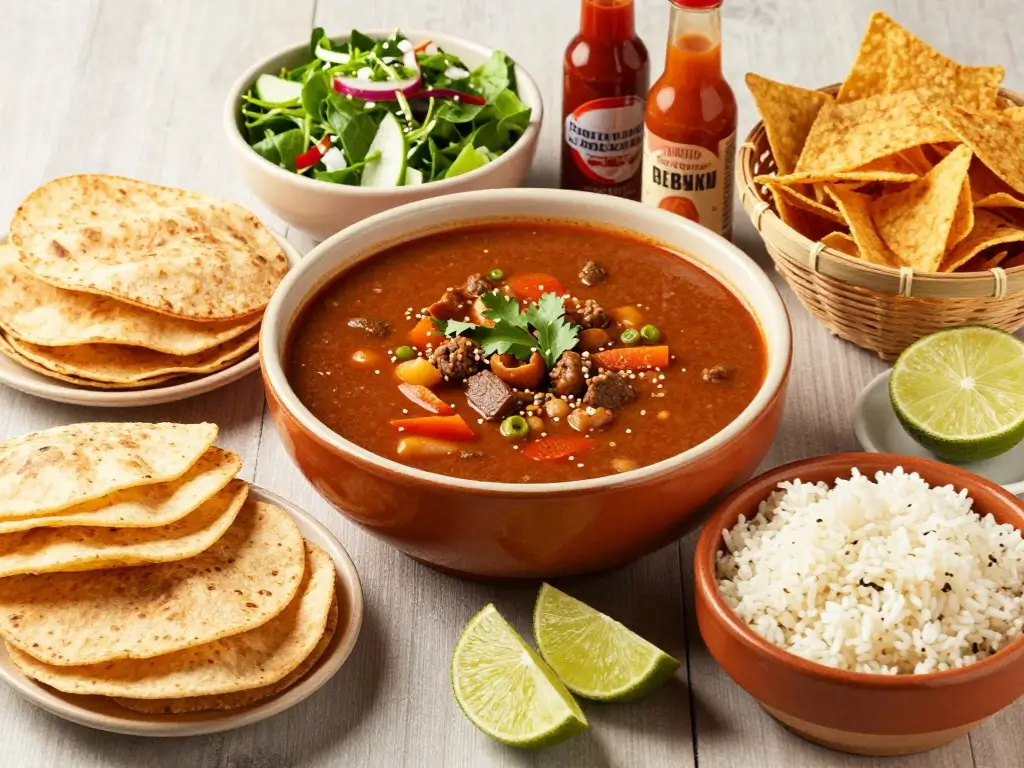
Pozole is filling enough to stand on its own, but a few simple additions can make the meal feel even more complete.
Tostadas are one of the best side options because they add crunch and are perfect for scooping up bits of broth, pork, and hominy. Tortilla chips work just as well if you want something quick and easy.
Avocado adds creaminess and helps soften the deeper chile flavor of the broth. Mexican rice is another good option if you are serving a crowd and want to make the meal feel more substantial. If you want something lighter and fresher on the table, a crisp spring salad recipe can be a nice contrast to the rich broth.
That said, pozole really shines when the focus stays on the bowl itself. With all the toppings laid out on the table, it already feels generous, colorful, and complete.
How to Store and Reheat Pozole
Let the soup cool before storing it. Transfer it to an airtight container and keep it in the refrigerator for up to 4 days. Store the toppings separately so they stay fresh and crisp.
For longer storage, freeze pozole for up to 2 months. It is best to freeze the soup on its own and add the toppings fresh when serving.
To reheat, warm it gently on the stovetop over medium-low heat until it is hot throughout. If the broth has thickened in the fridge, add a splash of water or broth to loosen it. Stir well, taste again, and adjust the seasoning if needed.
Frequently Asked Questions
What are the ingredients for pozole?
Pozole is usually made with pork or chicken, hominy, onion, garlic, broth, and seasonings. Red pozole also includes dried chiles for a deeper, more flavorful broth. It is commonly served with cabbage, radishes, onion, cilantro, and lime.
What is in pozole that makes it different from other soups?
The ingredient that makes pozole unique is hominy. Its soft, chewy texture gives the dish its signature character and makes it more filling than a standard broth-based soup.
Is pozole spicy?
It can be, but it does not have to be. This version has plenty of chile flavor, but it is usually more rich and warming than truly hot. You can make it milder or spicier depending on the type and amount of chiles you use.
Can I make pozole ahead of time?
Yes. Pozole is an excellent make-ahead dish because the flavor gets even better after it sits. It is a great recipe to cook one day and serve the next.
Can I use canned hominy?
Yes. Canned hominy is convenient and works very well in homemade pozole. Just drain and rinse it before adding it to the soup.
Can I make this with chicken instead of pork?
Yes. Chicken is a good substitute if you want a lighter version. The broth will be less rich, but it will still be flavorful and satisfying.
Conclusion
This pozole recipe is one of those meals that delivers comfort in every bite. The broth is rich without feeling heavy, the pork turns wonderfully tender, and the hominy gives the soup its signature texture. Once the fresh toppings go on, the whole dish comes alive with color, crunch, and brightness.
It is the kind of recipe that feels at home on a quiet weekend, at a family gathering, or anytime you want something deeply satisfying and full of flavor. If you are looking for a classic Mexican soup that is hearty, memorable, and surprisingly simple to make, this pozole recipe is a great one to keep.

Pozole Recipe

Equipment
- Large pot or Dutch oven
- Blender
- Fine mesh sieve
- Knife
- Cutting board
- Ladle
Ingredients
For the Soup
- 2 pounds pork shoulder cut into large chunks
- 1 large onion halved
- 4 cloves garlic
- 8 cups water or chicken broth
- 2 cans hominy drained and rinsed
- 1 teaspoon dried oregano
- salt to taste
- black pepper to taste
For the Red Chile Sauce
- 3 dried guajillo chiles stems and seeds removed
- 2 dried ancho chiles stems and seeds removed
- hot water for soaking the chiles
For Serving
- shredded green cabbage
- radishes sliced
- white onion diced
- fresh cilantro chopped
- lime wedges
- avocado sliced or diced
- tostadas or tortilla chips for serving
Instructions
- Place the pork shoulder, onion, garlic, and water or chicken broth in a large pot or Dutch oven. Bring to a boil over medium-high heat, then reduce to a gentle simmer. Skim off any foam that rises to the surface.
- Simmer for 1 1/2 to 2 hours, or until the pork is tender enough to pull apart easily with a fork.
- While the pork cooks, place the guajillo and ancho chiles in a bowl and cover with hot water. Let them soak for 15 to 20 minutes, or until softened.
- Transfer the softened chiles to a blender with a little of the soaking liquid and blend until smooth. For a silkier broth, strain the chile sauce through a fine mesh sieve.
- Remove the tender pork from the pot and shred or chop it into bite-sized pieces. Return the pork to the pot. Discard the cooked onion and garlic if desired.
- Pour the chile sauce into the broth and stir well. Add the hominy and oregano, then simmer for 25 to 30 minutes more. Taste and season with salt and black pepper as needed.
- Ladle the pozole into bowls and top with cabbage, radishes, diced onion, cilantro, lime, avocado, and tostadas or tortilla chips. Serve hot.
Notes
- Pork shoulder gives the best flavor and texture because it stays tender during a long simmer.
- Straining the chile sauce creates a smoother, more polished broth.
- Pozole often tastes even better the next day after the flavors have had more time to develop.
- Store the toppings separately so they stay fresh and crisp.