
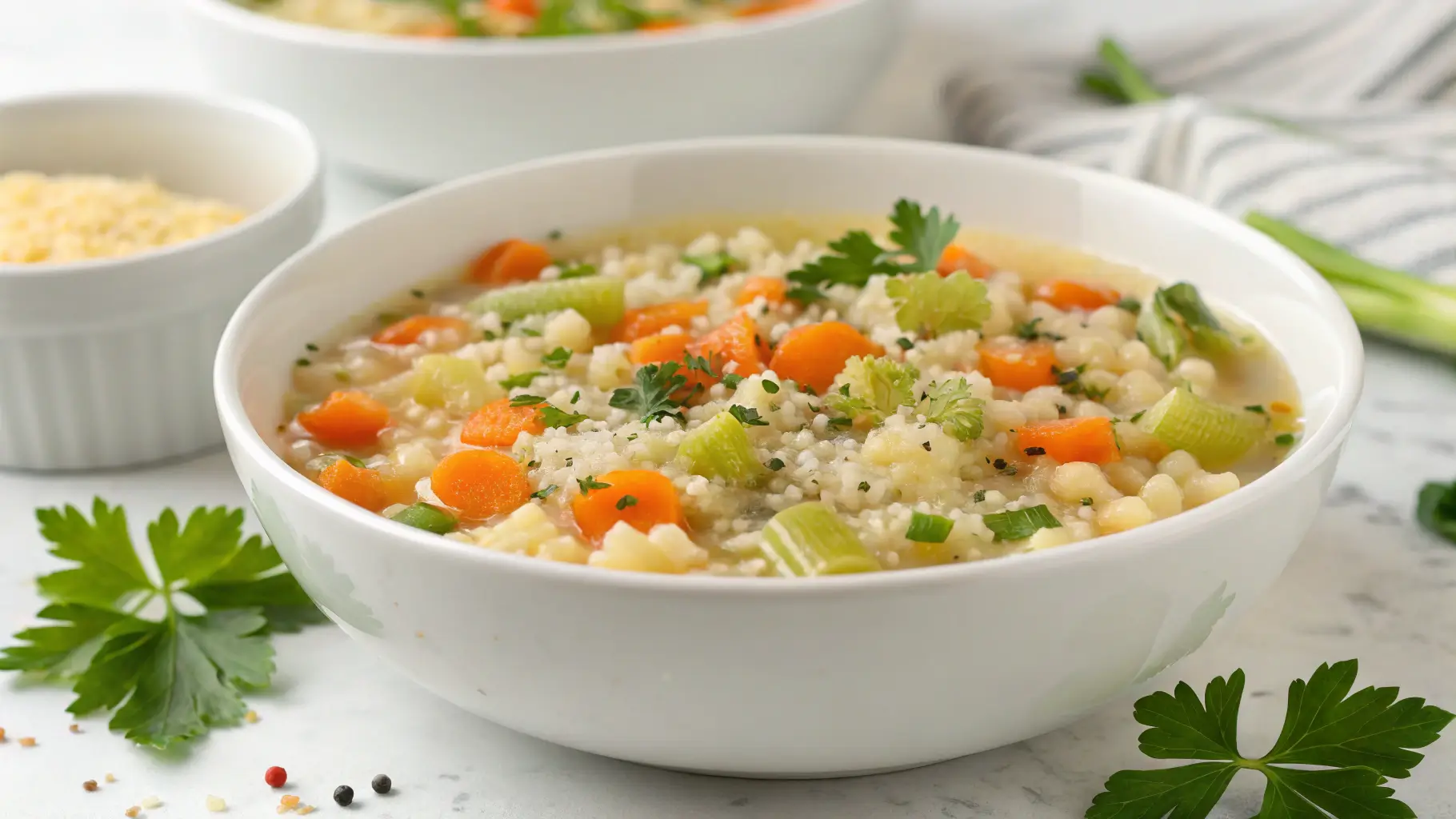
There’s nothing more comforting than a warm bowl of pastina soup—the classic “Italian penicillin” families make when someone’s sick or when you just need something cozy and soothing. Tiny star pasta cooks right in a simple broth with carrots, celery, onion, and parmesan, turning into a gentle, nourishing soup that feels like a hug.
This is my tested, step-by-step pastina soup recipe with the exact simmer time, how to prevent gummy pasta, and the best way to store leftovers (so the pastina doesn’t soak up all the broth). It’s quick enough for weeknights, and it’s the kind of recipe you’ll keep coming back to all cold season long.
Table of Contents
Ingredients
This pastina soup uses a short list of simple ingredients, but each one matters for flavor and that cozy “Italian penicillin” vibe.
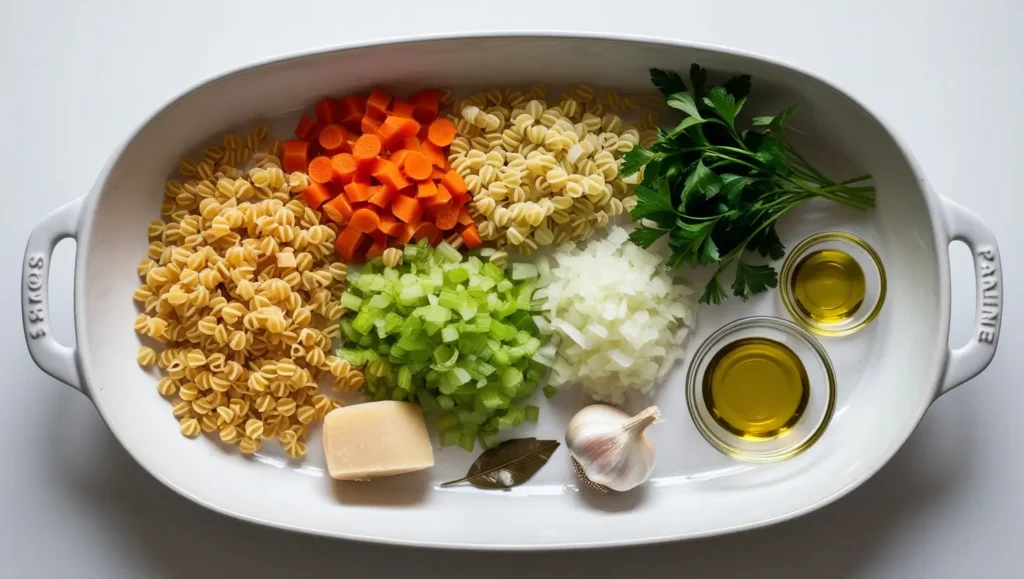
Main Ingredients
- Pastina (1 cup) – tiny pasta like stelline (stars) or acini di pepe.
- Chicken broth (8 cups) – homemade is best, but low-sodium store-bought works great.
- Yellow onion (1 medium, finely diced)
- Carrots (2 medium, peeled + diced)
- Celery (2 stalks, diced)
- Olive oil (2 tablespoons)
- Garlic (2 cloves, minced)
- Parmesan rind (1, optional but recommended) – adds a deeper savory flavor.
- Fresh parsley (¼ cup, chopped)
- Dried thyme (½ teaspoon) (or a few thyme sprigs)
- Bay leaf (1)
- Salt + black pepper, to taste
If you’re using store-bought broth, choosing a good one makes a big difference (same idea as using quality base ingredients in our How to Make Perfect Spicy Fried Rice).
Optional Add-Ins (choose what you like)
- Cooked shredded chicken (1 cup) – makes it more filling (great for leftovers or rotisserie chicken).
- 1 beaten egg – for a silky, stracciatella-style finish (stirs in at the end).
- Fresh grated Parmesan – for serving
- Fresh lemon juice – a small squeeze at the end brightens everything
- Red pepper flakes – if you want gentle heat
Ingredient Notes (this helps recipe success)
- Broth matters: if your broth is salty, hold salt until the very end.
- Parmesan rind tip: rinse it, then drop it in while simmering—remove before serving.
- Pasta swap: if you can’t find pastina, use orzo, ditalini, or acini di pepe (same method, watch cook time).
- If you’re building a cozy soup night, pair this with our Copycat Panera Tomato Soup for another comfort classic.
How to Make Pastina Soup Recipe
This traditional Italian remedy rewards minimal kitchen effort with maximum comfort benefits. The true magic happens when simple ingredients transform into a nurturing broth that warms from within.
Creating the Soup Foundation
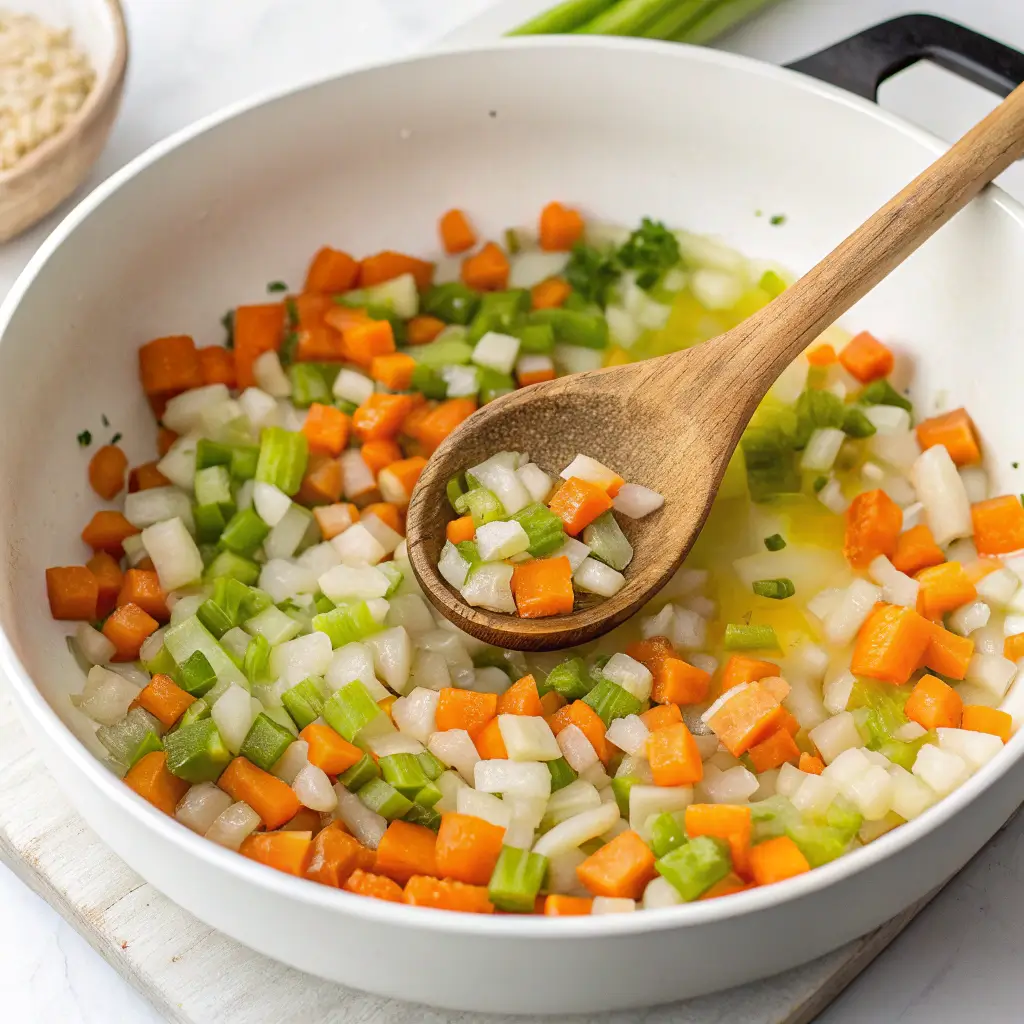
- Warm olive oil in a heavy-bottomed Dutch oven over moderate flame until just beginning to shimmer.
- Introduce the diced onions, carrots, and celery. Sauté for 6-8 minutes, stirring occasionally, until they begin to soften but retain some texture.
- Add the freshly minced garlic and continue cooking for 45 seconds, just until its aroma releases.
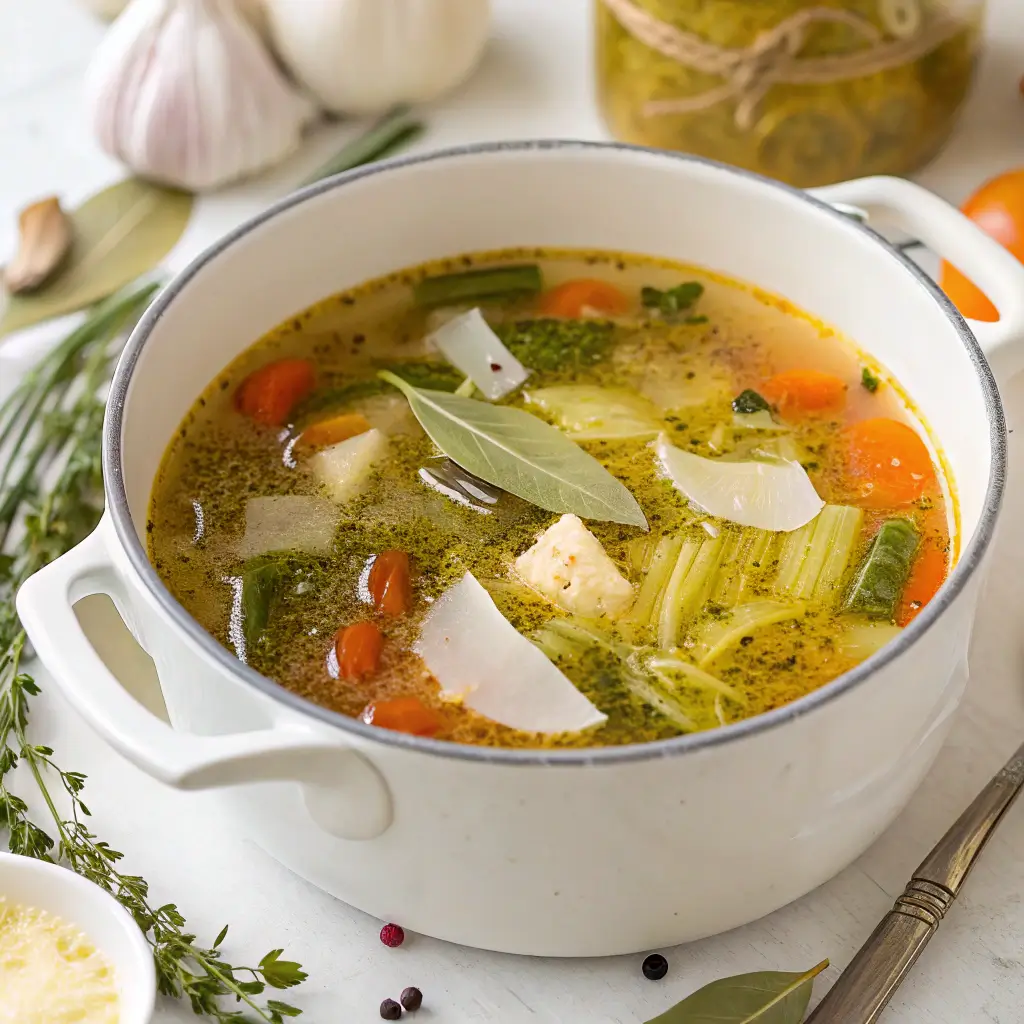
- Incorporate your chosen broth, drop in the parmesan rind (if using), thyme sprigs, and bay leaf.
- Allow mixture to reach a gentle bubble, then decrease the temperature to achieve a lazy simmer.
- Place lid slightly askew and allow vegetables to become tender in a large pot, approximately 18-22 minutes.
Incorporating the Pastina
- Ensure your broth maintains a consistent, gentle bubble before proceeding.
- Gradually sprinkle the pastina into the pot while continuously stirring to prevent clumping.
- Allow the tiny pasta to cook according to package directions, typically 6-9 minutes, stirring periodically.
- Extract and discard the bay leaf, thyme stems, and parmesan rind.
- Taste and adjust seasoning with appropriate amounts of sea salt and freshly cracked pepper.
- Fold in chopped fresh parsley moments before serving.
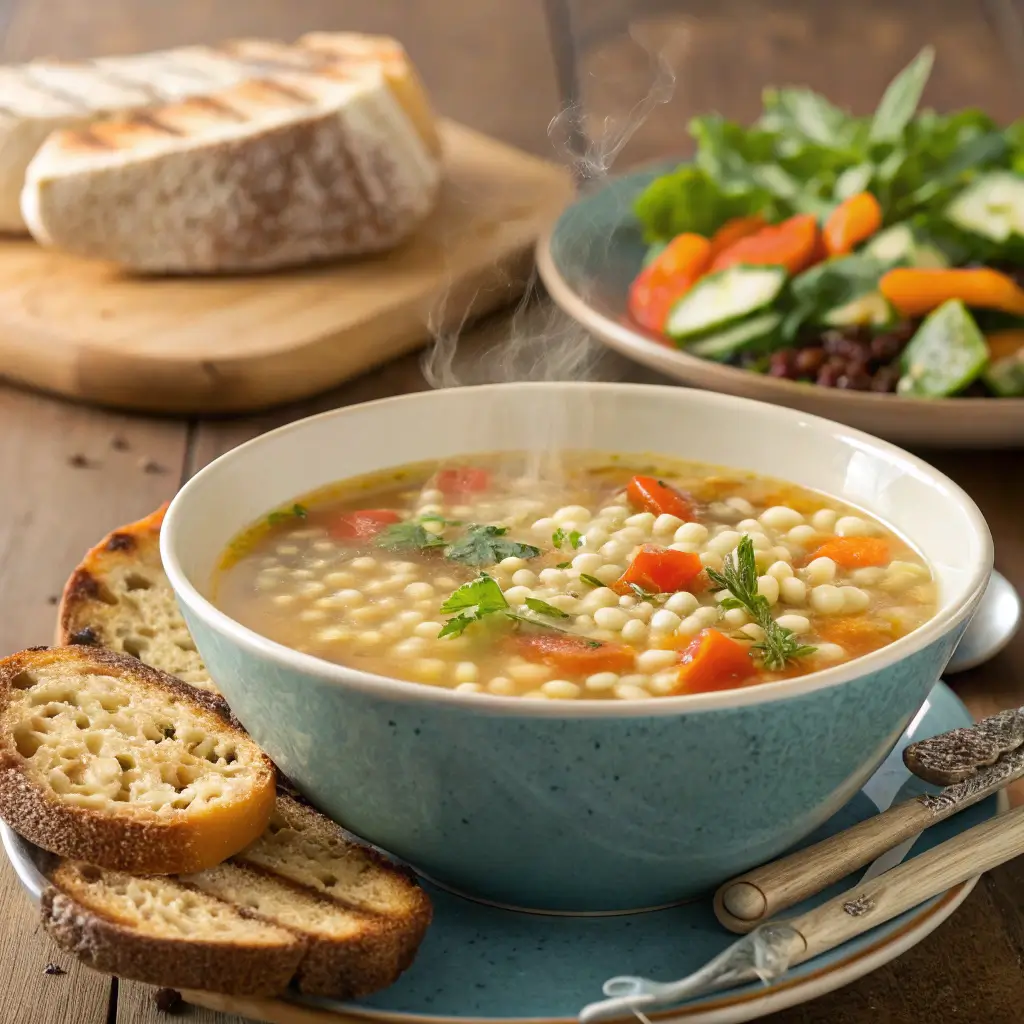
Allow your completed soup to rest briefly off heat before ladling into bowls, giving the pastina time to absorb flavors without becoming overly soft in your easy soup.
Serving Suggestions
The manner in which you present and accompany this restorative Italian remedy can dramatically enhance its healing impact. Thoughtful serving choices elevate this humble dish from merely nourishing to truly memorable. See expert pairing tips for bread and soups from The Spruce Eats: Best Breads to Serve with Soup.
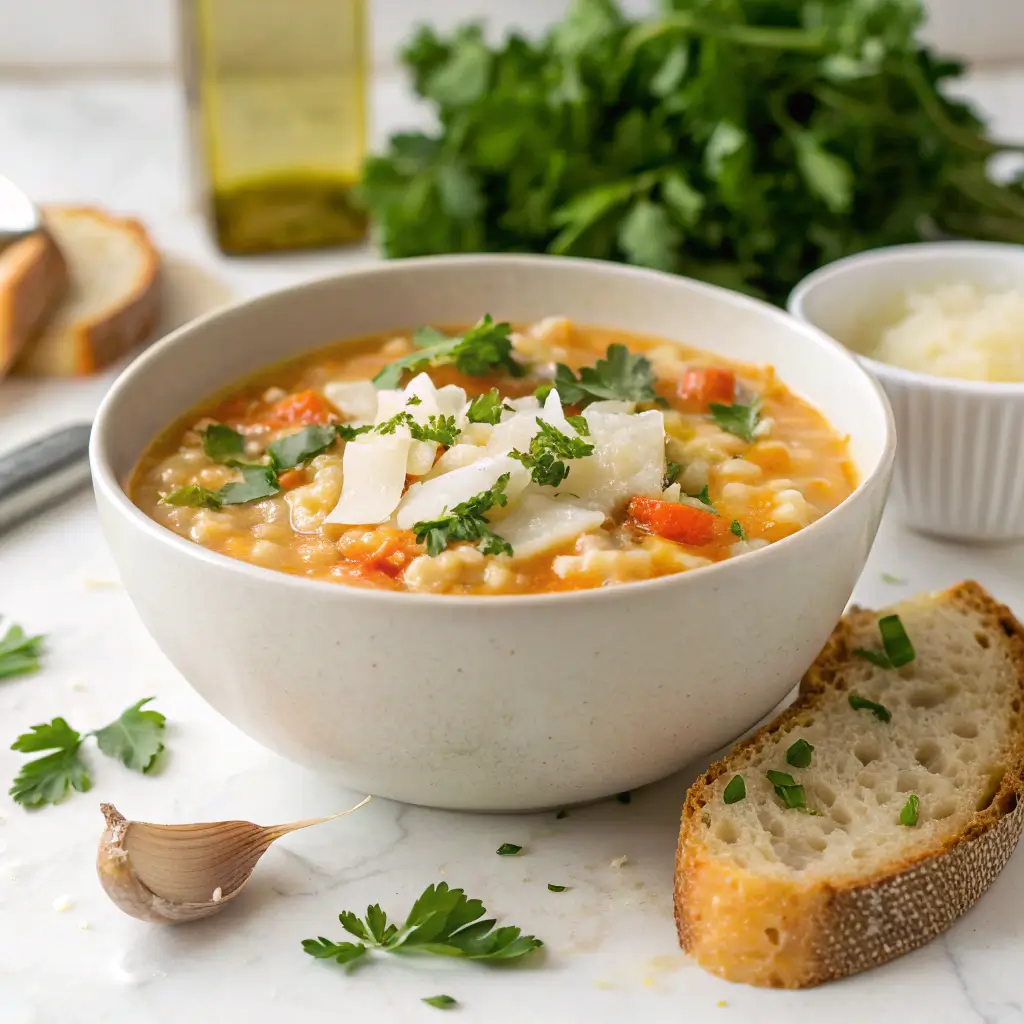
Bowl to Table Strategy
- Pre-warm ceramic or porcelain vessels in low oven to maintain soup temperature longer
- Crown each portion with a small thread of extra virgin olive oil, creating appetizing surface patterns
- Scatter several torn basil or Italian parsley fragments across the surface
- Position a small dish of grated hard Italian cheese nearby for customized sprinkling
- Arrange citrus segments on serving platters for optional brightness
- Select deeper, narrower containers for prolonged warmth or broader dishes for faster cooling
Complementary Offerings
- Rustic country loaf with crackling exterior, briefly warmed and rubbed with cut garlic clove
- Minimalist greens tossed with citrus essence and fruity oil for contrasting freshness
- Hand-formed grissini or similar crisp breadstuffs for textural interest
- Small board featuring mild dairy selections that won’t overshadow the soup
- Steaming mug of chamomile or mint tisane sweetened with local honey
- For mature diners, a glass of unoaked, crisp Italian white varietal
This unassuming restorative achieves its full potential when its presentation receives as much care as its preparation, creating an experience that satisfies deeper than mere sustenance.
Tips & Variations
Mastering this healing Italian classic involves understanding both technical nuances and creative possibilities. These insights will help you craft a personalized version while maintaining the therapeutic essence that makes this remedy so beloved.
Technique Refinements
- Reserve adding salt until the final stages to better control the soup’s overall sodium level
- Should you include a parmesan rind, extract it before serving rather than allowing it to dissolve completely
- When cooking for someone ill, consider briefly blending a portion of the vegetables for easier digestion
- Store leftover pastina separately from the broth to prevent it from absorbing all liquid and becoming mushy
- Use wooden utensils when stirring to protect the delicate pasta shapes from breaking
- For enhanced flavor development, prepare the broth component a day ahead, then reheat and add pastina just before serving
Creative Adaptations
- Vegetarian Version: Substitute vegetable broth and enhance umami with nutritional yeast
- Protein-Enriched Option: Whisk one egg with grated cheese and stream into hot chicken stock for a stracciatella effect.
- Greens Boost: Introduce baby spinach or thinly sliced kale during the final minutes of cooking
- Aromatic Dimension: Add fresh herbs like rosemary or thyme tied in a bundle and remove before serving
- Lemon Bright: Finish with fresh lemon zest for an immunity-boosting aromatic element in your chicken soup.
- Alternative Pasta: Try substituting orzo, ditalini, or acini di pepe when traditional pastina is unavailable
Experiment with these modifications while respecting the fundamental simplicity that gives this soup its healing properties and enduring appeal across generations.
Nutritional Information: Pastina Soup Recipe
Understanding the nutritional profile of this healing Italian staple helps explain its reputation as a restorative food. The balanced combination of carbohydrates, proteins, and micronutrients creates a truly nourishing remedy. Check your daily nutrient needs with the NIH Dietary Reference Intakes.
Macronutrient Breakdown
(Per serving, approximately 1.5 cups)
- Calories: 180-220 (varies based on broth type and optional ingredients)
- Carbohydrates: 28-32g (primarily from pastina)
- Protein: 8-12g (higher when prepared with homemade chicken broth)
- Fat: 5-7g (primarily heart-healthy monounsaturated from olive oil)
- Fiber: 2-3g (from vegetables)
- Sodium: 650-800mg (significantly lower with homemade broth)
Micronutrient Highlights
- Vitamin A: 80% daily value (primarily from carrots)
- Vitamin C: 15% daily value (from vegetables, higher with lemon addition)
- Calcium: 8% daily value (higher when served with parmesan)
- Iron: 10% daily value (combination of broth and pastina)
- Zinc: 12% daily value (particularly important for immune function)
- B Vitamins: Various percentages supporting energy production and immune health
The healing reputation of this soup stems from its bioavailable nutrients delivered in an easily digestible form. During illness, warm broth aids hydration while the complete nutritional package supports recovery through multiple pathways.
FAQs
These quick answers cover the most common pastina soup questions—what pastina is, the best substitutes, storage, freezing, and how to keep it from getting mushy.
What is pastina?
Pastina means “little pasta” in Italian. It’s tiny pasta (often star-shaped) that cooks fast and makes soups extra comforting because it thickens the broth slightly as it cooks.
What’s the best pasta to use if I can’t find pastina?
If pastina isn’t available, use acini di pepe, orzo, ditalini, stelline, or even broken angel hair. Choose small pasta so it cooks evenly and feels similar to classic pastina soup.
Can I use chicken stock instead of chicken broth?
Yes. Stock is usually richer (more collagen/body), so your soup may taste deeper and slightly fuller. If your stock is salty, use low-sodium or season at the end.
Can I make pastina soup ahead of time?
Yes — make the broth + veggies base ahead, then cook and add the pastina right before serving. This keeps the texture perfect.
Can I freeze pastina soup?
You can freeze the broth/veggie base, but don’t freeze it with pastina (it turns soft). Freeze the base, then add fresh-cooked pastina after reheating.
Why is it called “Italian penicillin”?
It’s a nickname because warm chicken broth is soothing when you’re sick, and the small pasta makes it easy to eat. It’s comfort + hydration in a bowl.
Conclusion & Call to Action
This classic Pastina Soup recipe truly earns its nickname as “Italian Penicillin” – a heartwarming bowl of comfort that nourishes both body and soul. The tiny star-shaped pasta swimming in rich broth creates a simple yet satisfying meal perfect for cold days or when you’re feeling under the weather. The beauty of this traditional dish lies in its simplicity and versatility, easily adapted to your taste preferences or what’s available in your pantry, especially when preparing a comforting chicken pastina soup.
Have you tried making pastina soup at home? We’d love to hear your experience or any family variations you might have for your chicken noodle soup! Share your thoughts in the comments or tag us in your soup creations on social media. Your feedback helps our community of home cooks grow and learn together.
3 thoughts on “Pastina Soup Recipe”